Ruhr Contemporary Conservation Institute
Status:
R&D
Year:
2024-2025
Type:
Cultural Infrastructure
Size:
3200 m²
Client:
Institutional Proposal
Location:
Ruhr, Essen, Germany


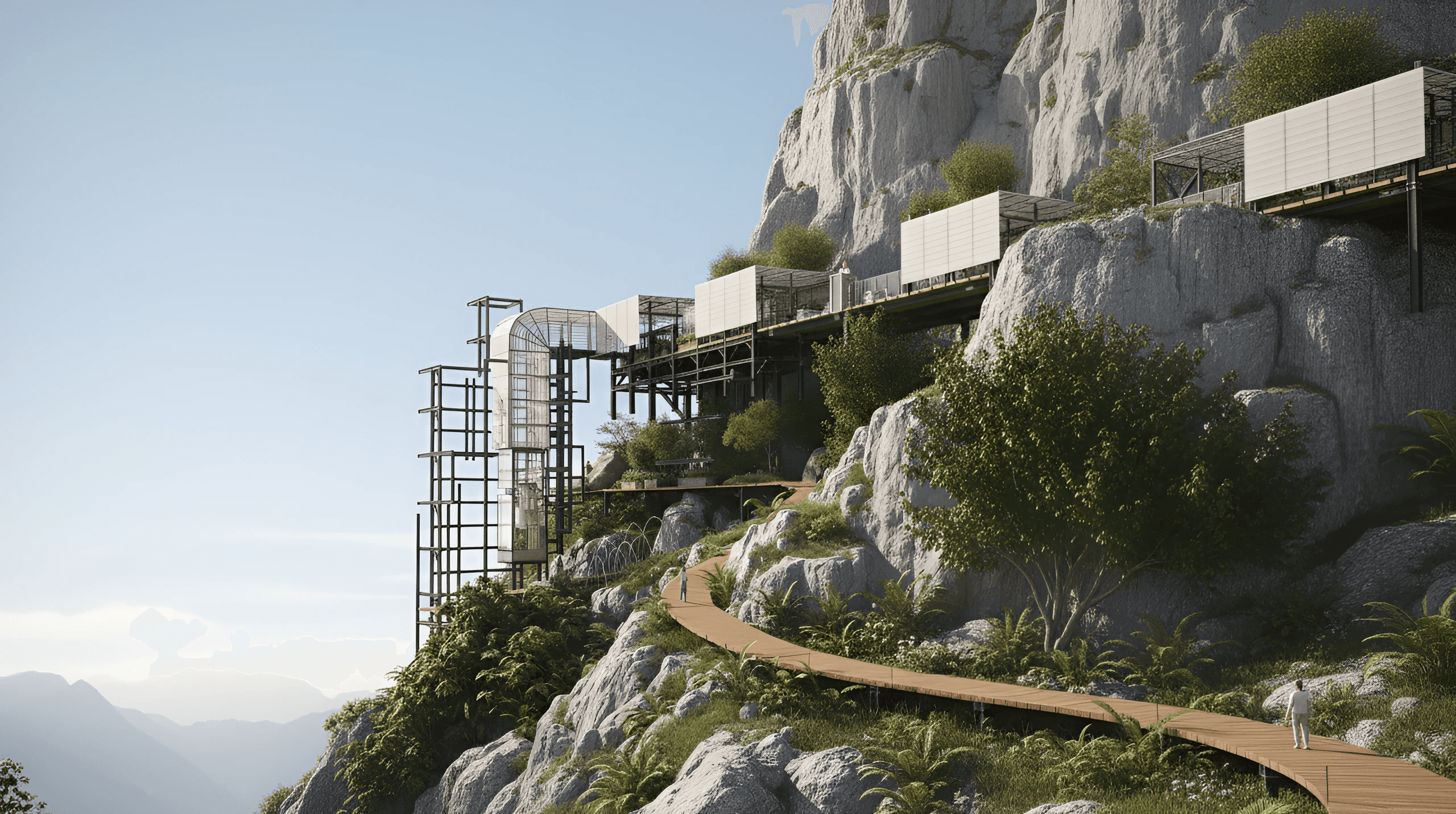
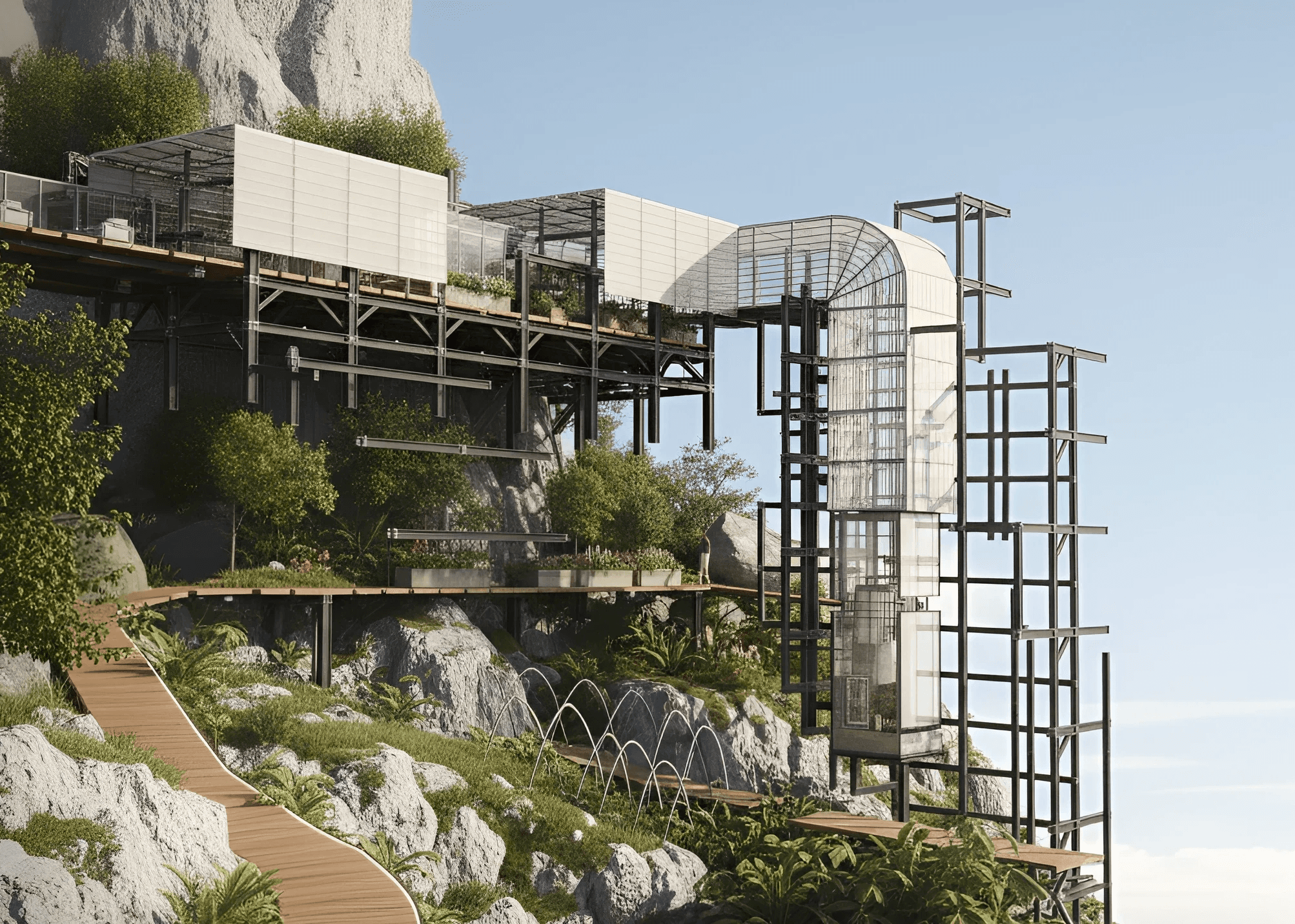
Ruhr Contemporary Conservation Institute is conceived as a permanent cultural infrastructure dedicated to the conservation, research, and long-term stewardship of contemporary art within the post-industrial landscape of the Ruhr region. Rather than operating as a conventional museum, the institute positions conservation as an active, spatial, and interdisciplinary practice—one that unfolds between architecture, landscape, material science, and cultural memory, and treats preservation not as a static act but as a continuous cultural process. In this sense, conservation is understood not merely as technical maintenance, but as a critical framework through which contemporary artistic production is interpreted, sustained, and transmitted across generations.
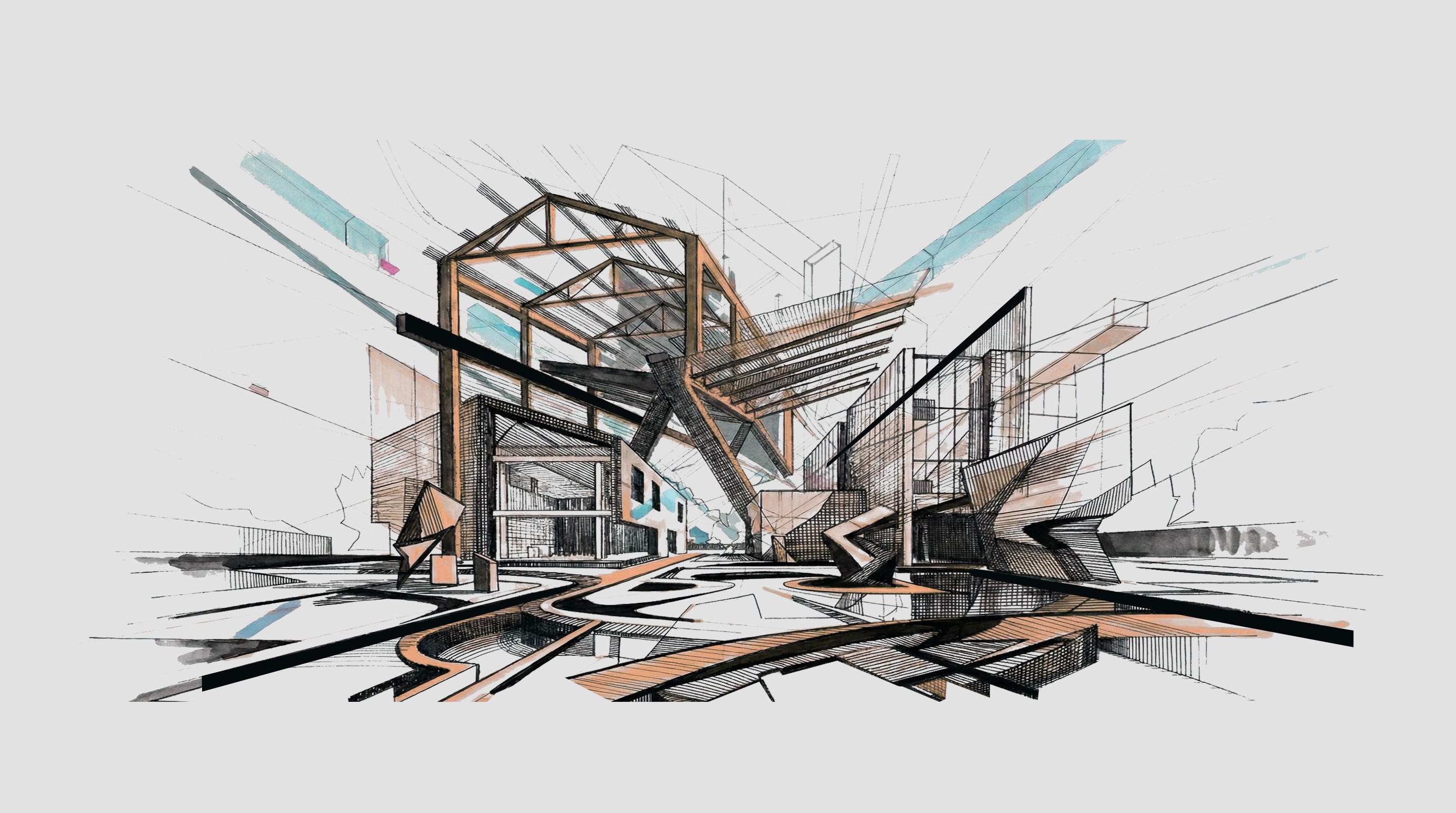
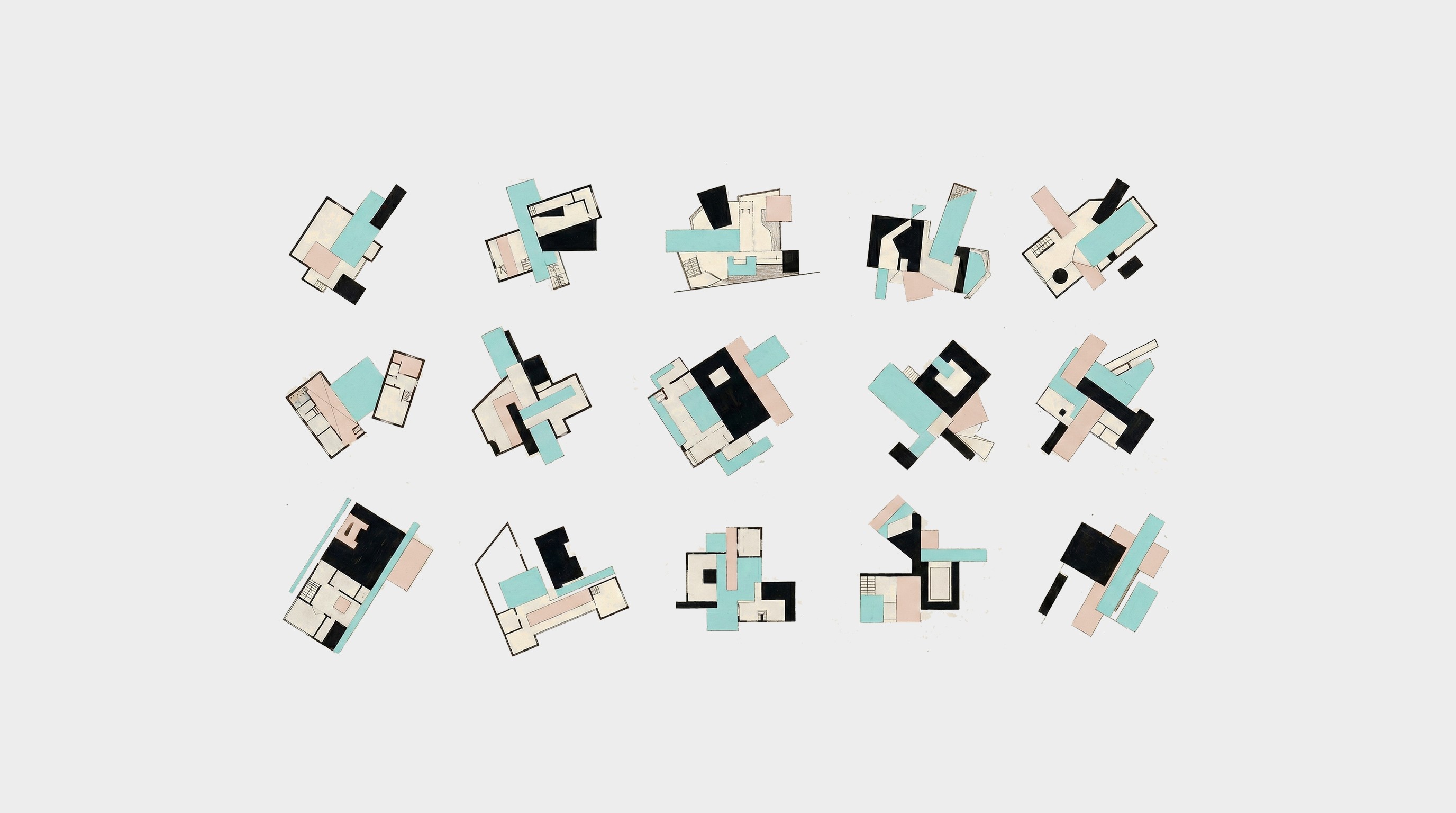
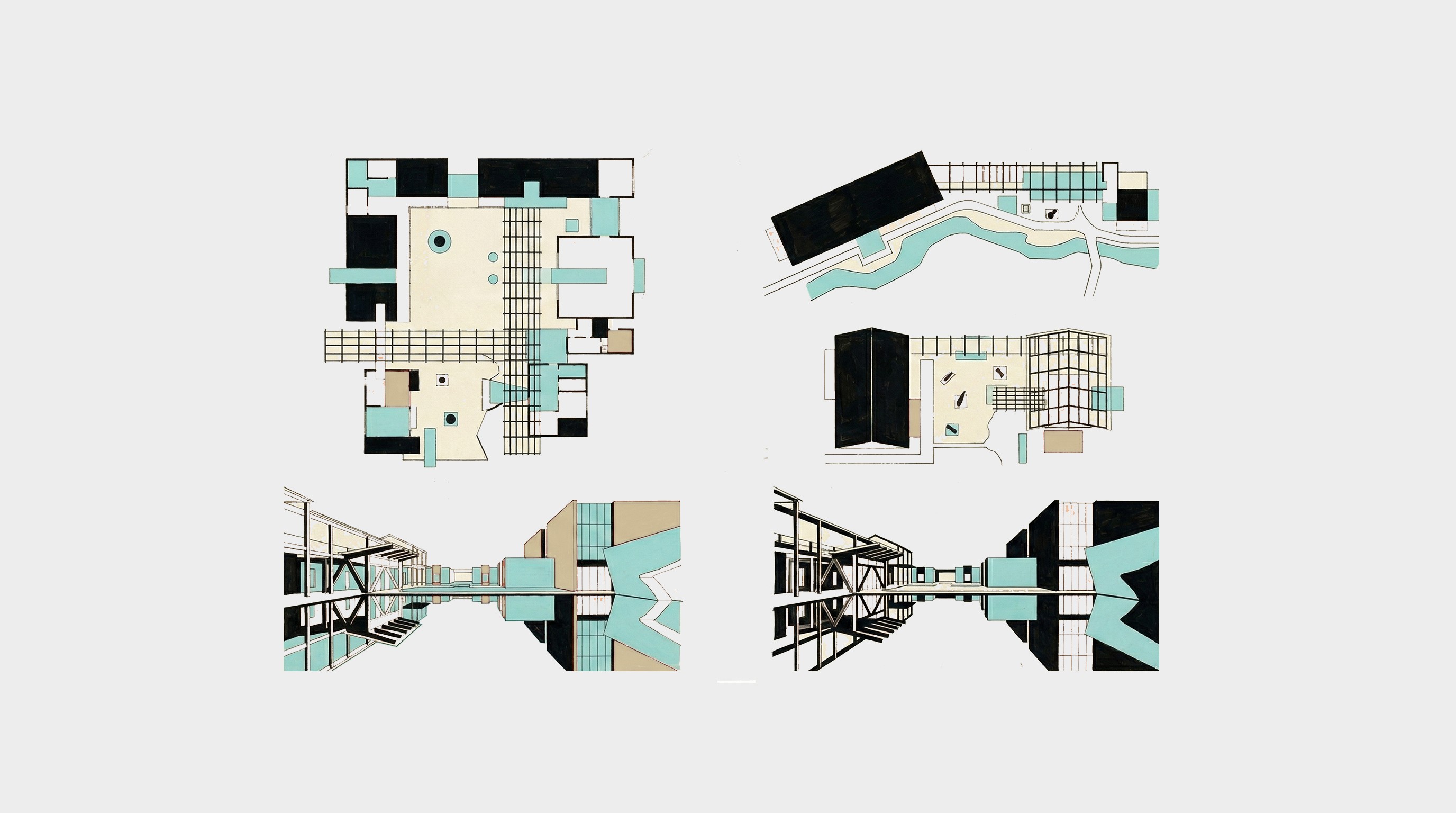
The architectural framework is structured as a campus of interrelated pavilions, courtyards, and semi-open structures, allowing conservation processes to remain visible, legible, and spatially embedded within the site. Enclosed laboratory environments, archive spaces, and controlled exhibition volumes are interwoven with open-air sculpture courts, transitional galleries, and landscape-integrated circulation routes. This spatial continuity reflects the institute’s core premise: that contemporary artworks, particularly those involving weathering, scale, and material experimentation, demand environments that acknowledge time, exposure, and transformation as intrinsic conditions rather than external threats. The campus configuration supports gradual transitions between controlled and uncontrolled climates, enabling artworks to inhabit a spectrum of spatial and environmental states.
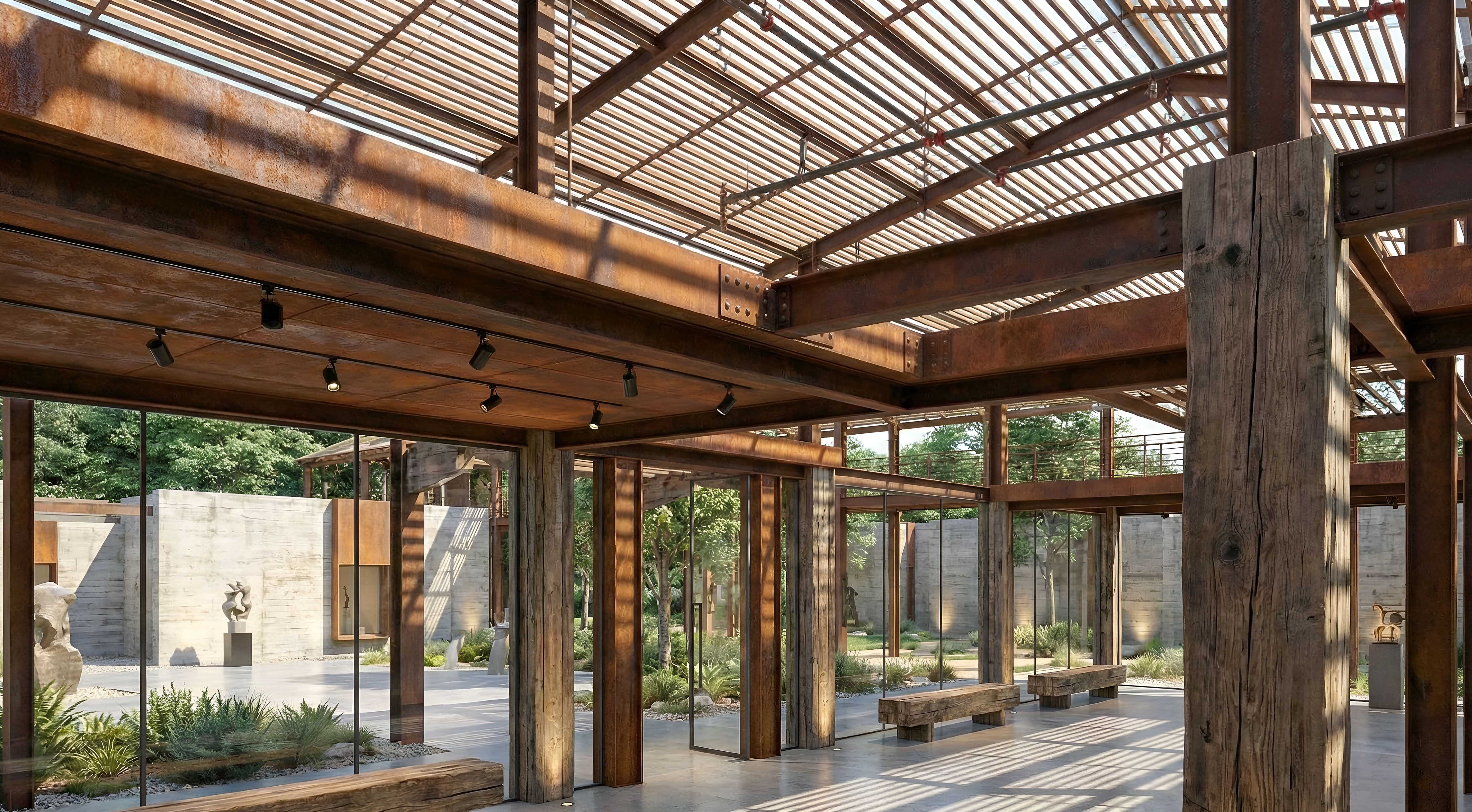
Material strategies draw from the Ruhr’s industrial legacy—weathering steel, exposed concrete, and reclaimed timber—reinterpreted through precise detailing and calibrated openness. These materials establish a dialogue between durability and decay, aligning architectural permanence with the evolving nature of contemporary artistic practices while allowing environmental forces to be selectively mediated rather than fully excluded. Architecture becomes a regulating device rather than a neutral container, framing processes of aging, patina, and material change as integral to both art and building.
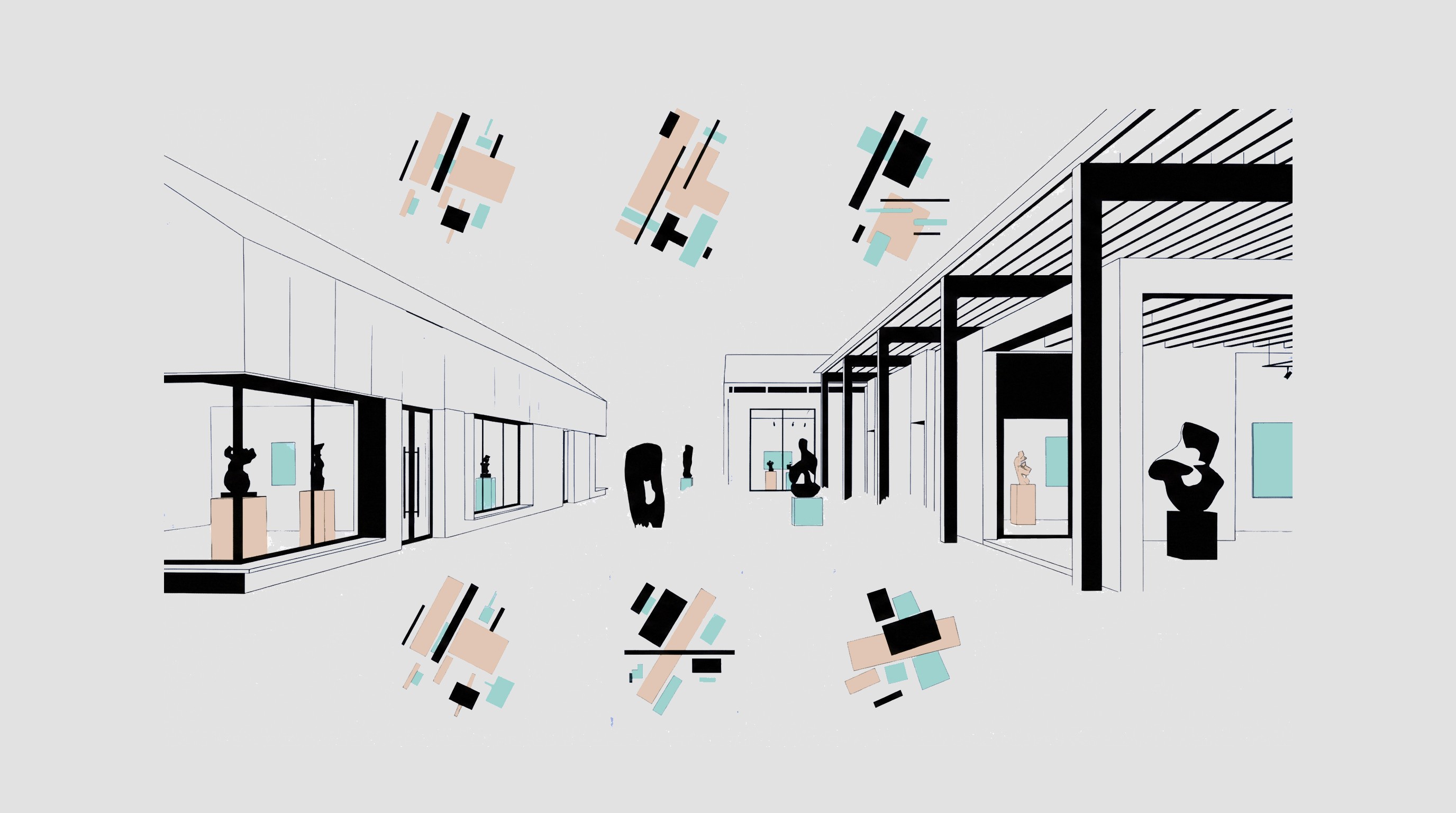
The institute functions simultaneously as a conservation facility, research center, and public cultural interface. In addition to long-term conservation programs, it accommodates material research laboratories, artist–conservator collaboration spaces, archival study rooms, and platforms for scholarly exchange. Public access is carefully choreographed through courtyards, observation corridors, and transitional exhibition spaces, allowing visitors to engage with conservation as a visible and ongoing practice. Through this layered programmatic structure, the Ruhr Contemporary Conservation Institute contributes to the region’s ongoing cultural transformation and positions itself as a European reference point for contemporary art conservation beyond the museum paradigm, where research, architecture, and cultural responsibility converge within a durable institutional framework.


Ruhr Contemporary Conservation Institute is conceived as a permanent cultural infrastructure dedicated to the conservation, research, and long-term stewardship of contemporary art within the post-industrial landscape of the Ruhr region. Rather than operating as a conventional museum, the institute positions conservation as an active, spatial, and interdisciplinary practice—one that unfolds between architecture, landscape, material science, and cultural memory, and treats preservation not as a static act but as a continuous cultural process. In this sense, conservation is understood not merely as technical maintenance, but as a critical framework through which contemporary artistic production is interpreted, sustained, and transmitted across generations.
The architectural framework is structured as a campus of interrelated pavilions, courtyards, and semi-open structures, allowing conservation processes to remain visible, legible, and spatially embedded within the site. Enclosed laboratory environments, archive spaces, and controlled exhibition volumes are interwoven with open-air sculpture courts, transitional galleries, and landscape-integrated circulation routes. This spatial continuity reflects the institute’s core premise: that contemporary artworks, particularly those involving weathering, scale, and material experimentation, demand environments that acknowledge time, exposure, and transformation as intrinsic conditions rather than external threats. The campus configuration supports gradual transitions between controlled and uncontrolled climates, enabling artworks to inhabit a spectrum of spatial and environmental states.
Material strategies draw from the Ruhr’s industrial legacy—weathering steel, exposed concrete, and reclaimed timber—reinterpreted through precise detailing and calibrated openness. These materials establish a dialogue between durability and decay, aligning architectural permanence with the evolving nature of contemporary artistic practices while allowing environmental forces to be selectively mediated rather than fully excluded. Architecture becomes a regulating device rather than a neutral container, framing processes of aging, patina, and material change as integral to both art and building.
The institute functions simultaneously as a conservation facility, research center, and public cultural interface. In addition to long-term conservation programs, it accommodates material research laboratories, artist–conservator collaboration spaces, archival study rooms, and platforms for scholarly exchange. Public access is carefully choreographed through courtyards, observation corridors, and transitional exhibition spaces, allowing visitors to engage with conservation as a visible and ongoing practice. Through this layered programmatic structure, the Ruhr Contemporary Conservation Institute contributes to the region’s ongoing cultural transformation and positions itself as a European reference point for contemporary art conservation beyond the museum paradigm, where research, architecture, and cultural responsibility converge within a durable institutional framework.
Project team:
S&A
Building physics:
S&A BPC
(Other works)