Kaledran C&S Design and Fabrication Center
Status:
R&D
Year:
2024-2025
Type:
Corporate R&D Facility
Size:
11200 m²
Client:
Ceramics and Stories
Location:
Kaledran Village, Anamur, Mersin, Turkey
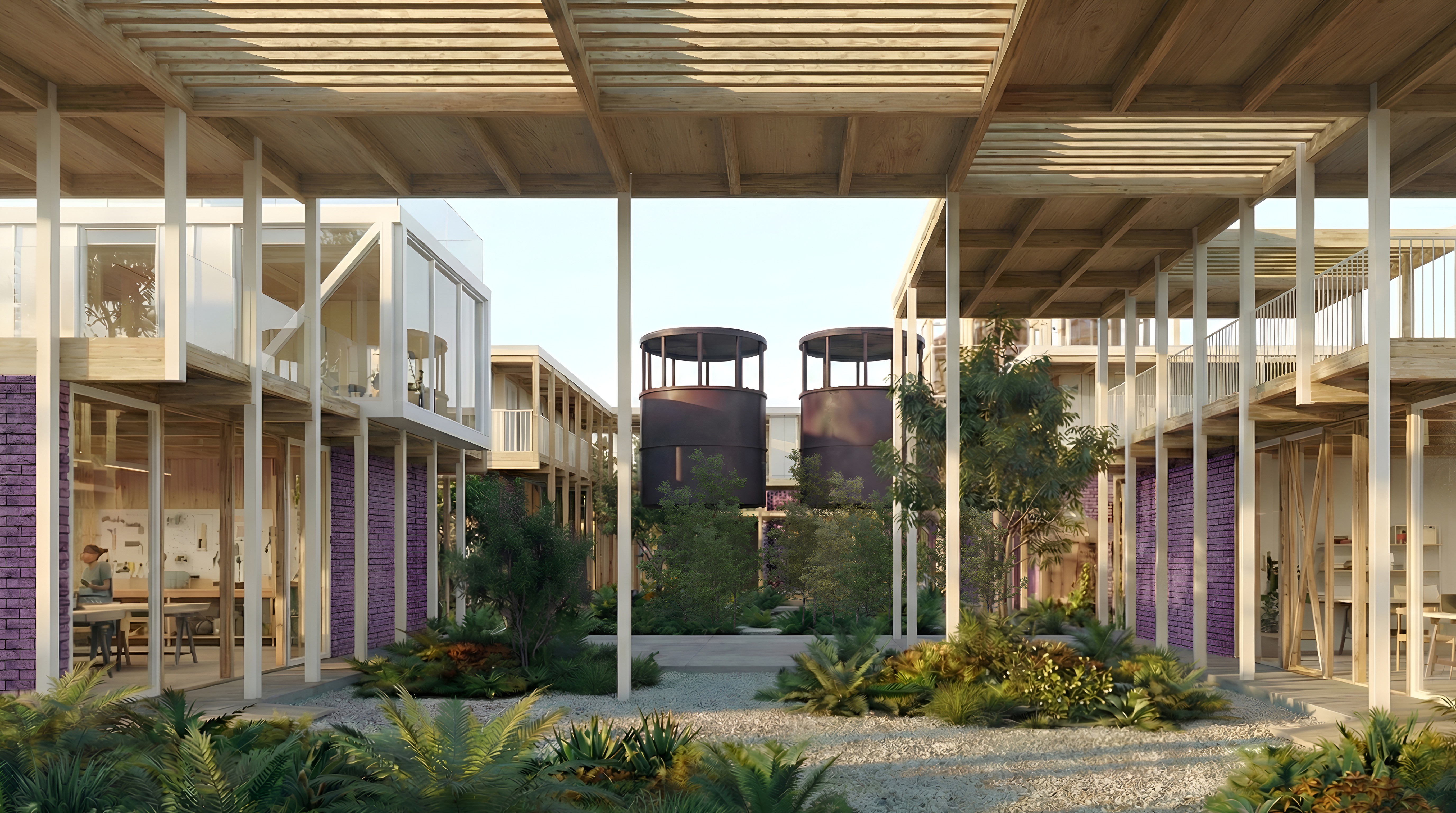
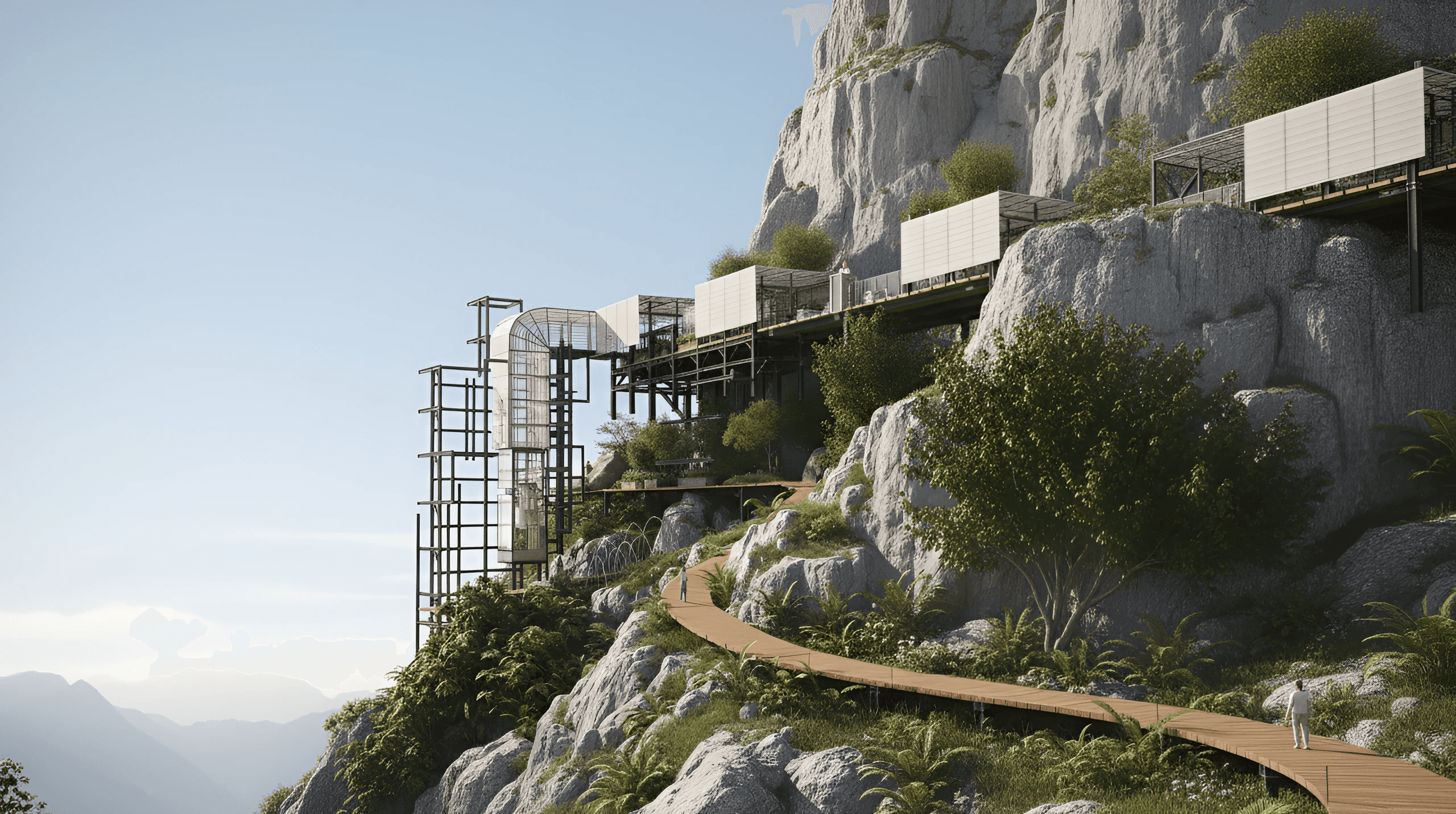
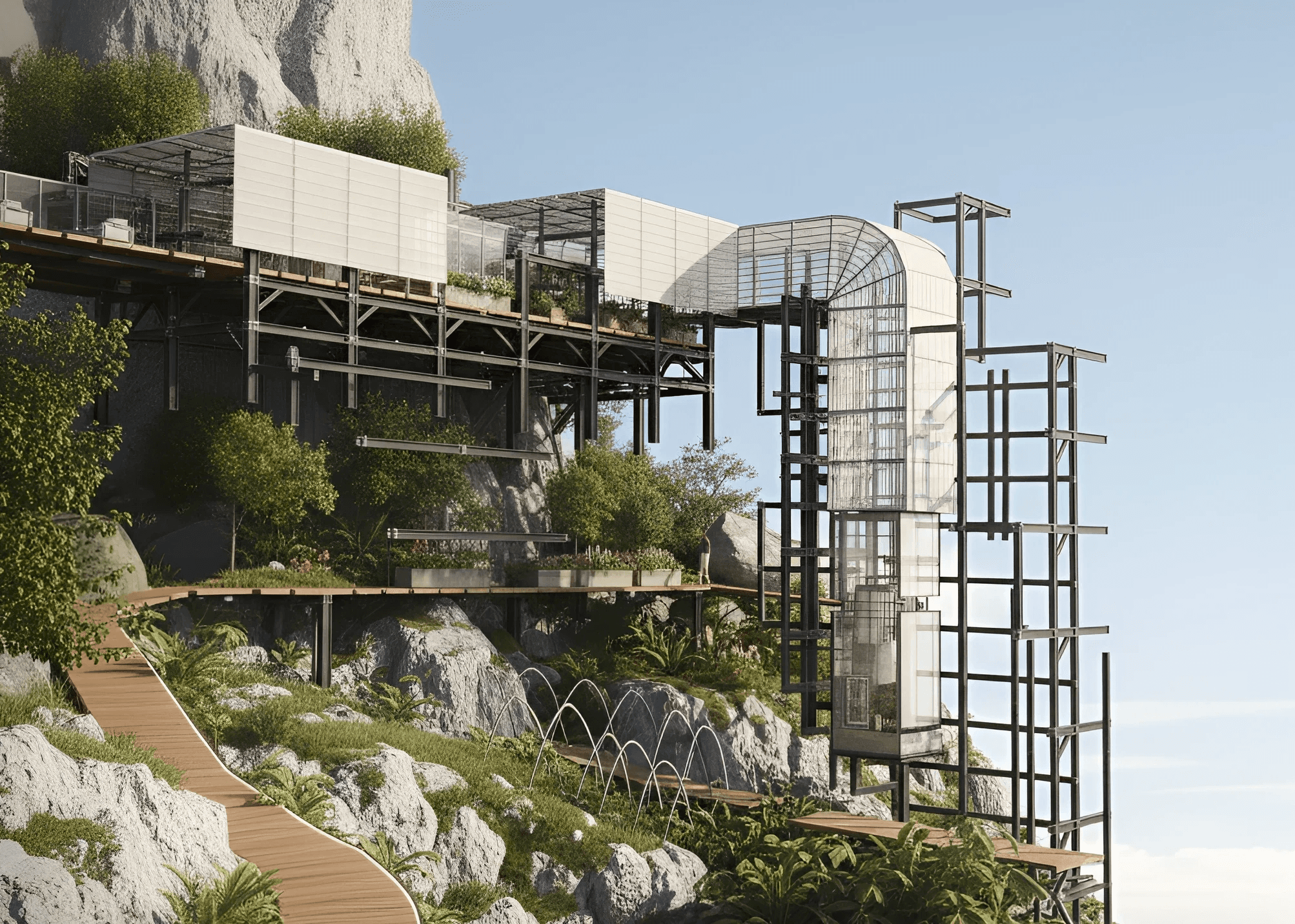
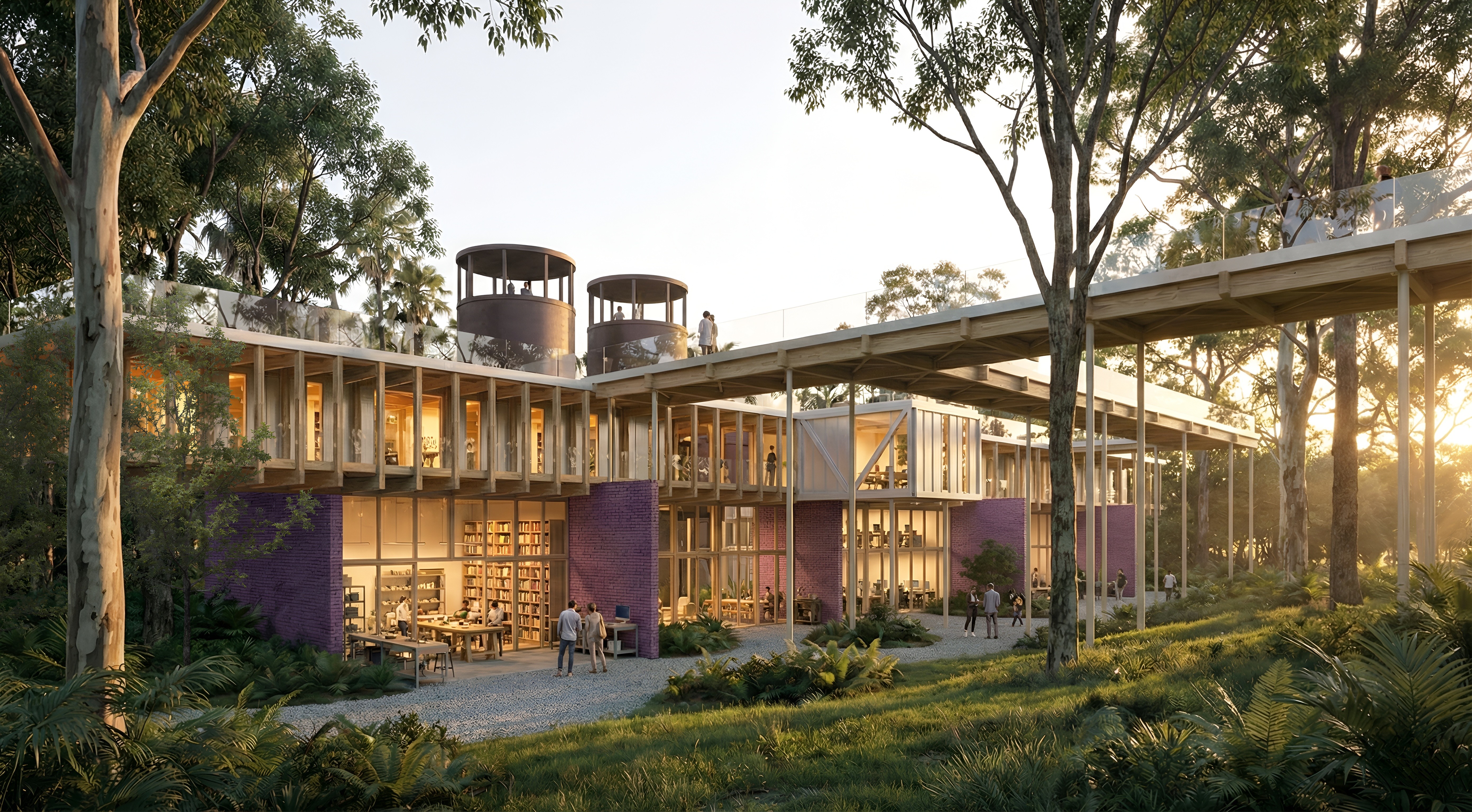
Ceramics and Stories is conceived as a contemporary design and production center embedded within the rural Mediterranean landscape of Kaledran Village, Anamur, where ceramic practice is understood not as an isolated craft but as a spatial, material, and temporal process rooted in ground, labor, and continuity. The project deliberately distances itself from curated rural imagery, engaging instead a quiet, low-density production landscape shaped by small-scale agriculture, orchards, and seasonal cultivation cycles under a stable coastal climate.
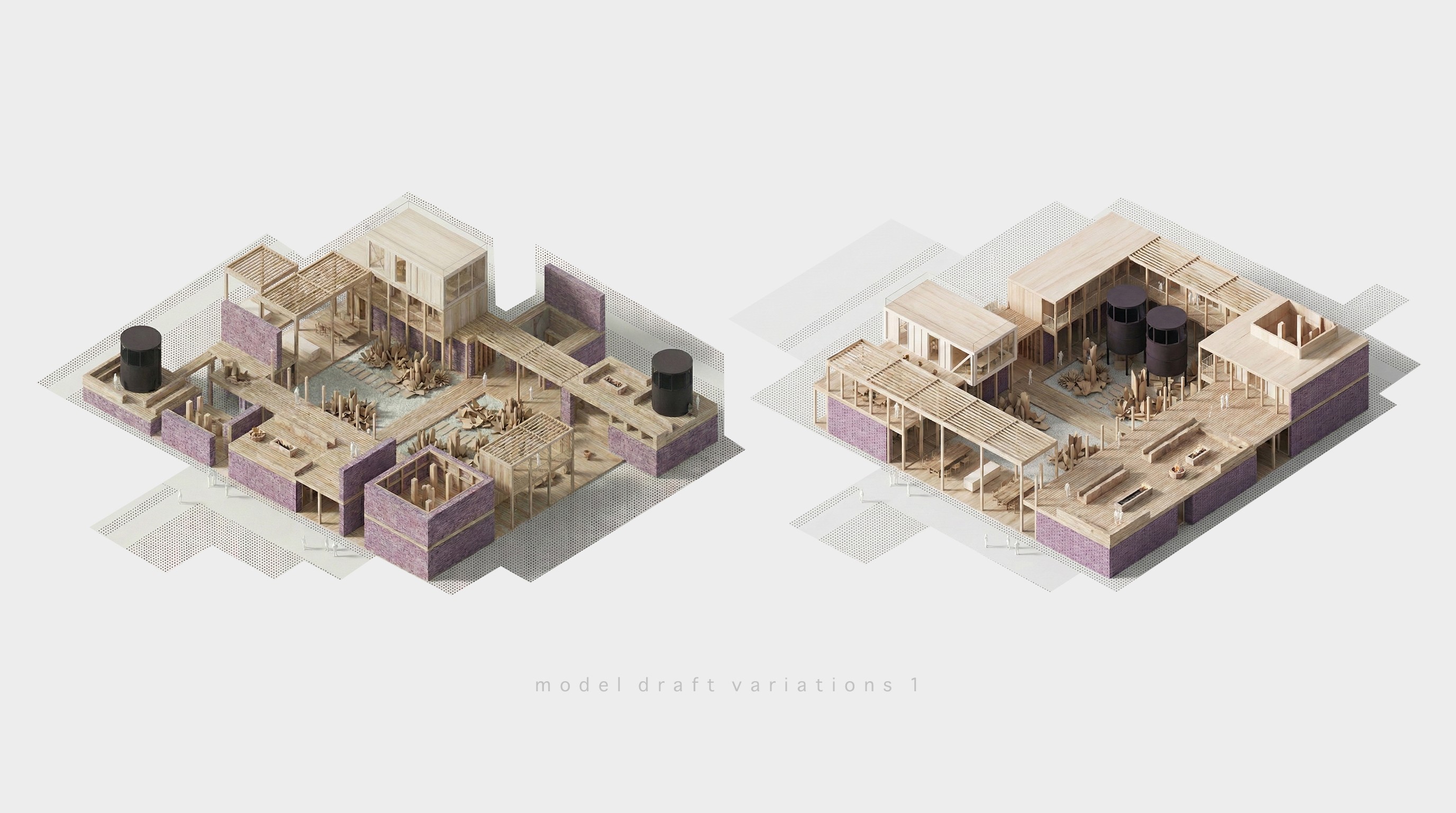
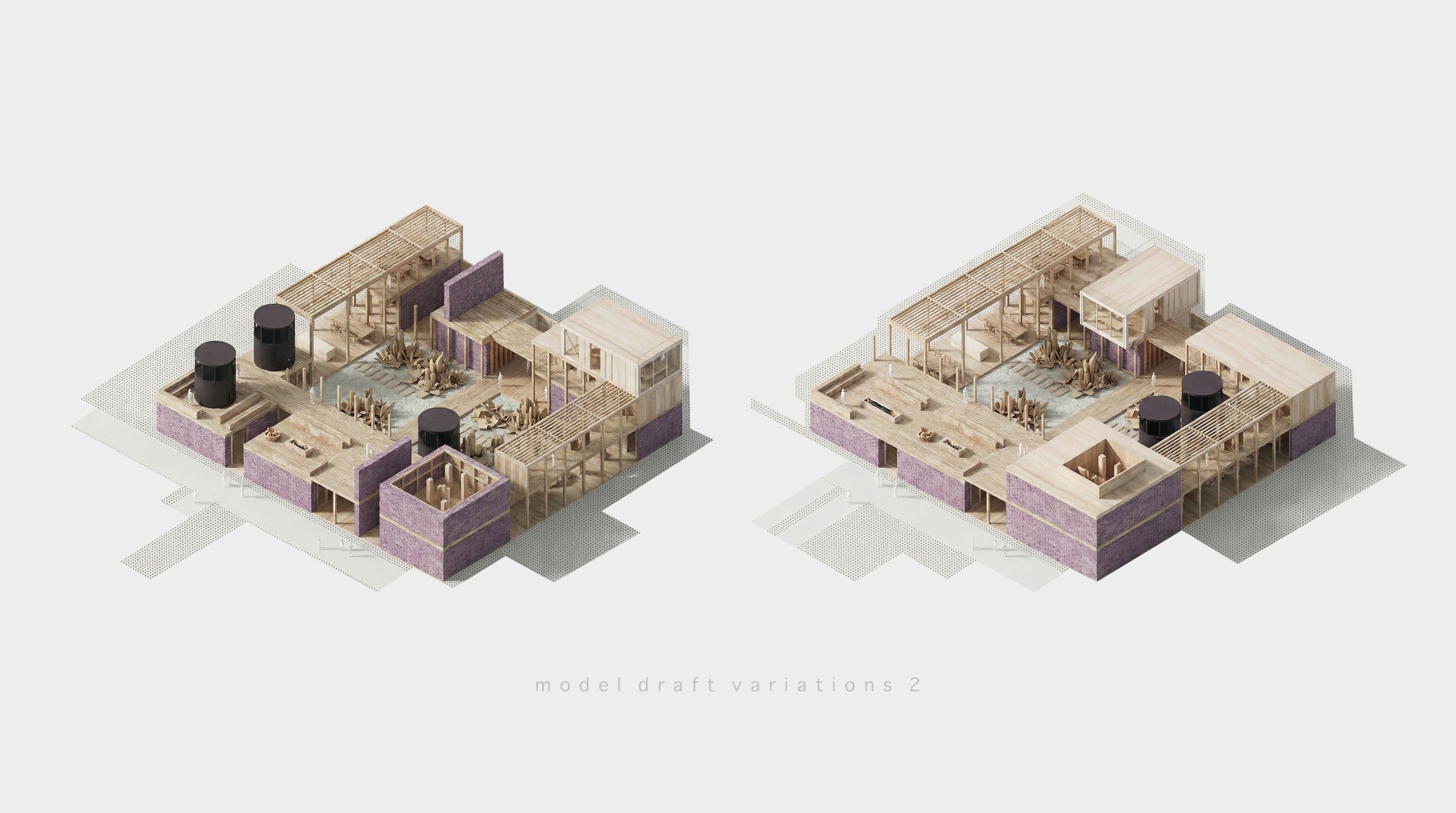
The architectural composition unfolds as a dispersed ensemble of low-rise volumes, calibrated to the scale of the village and aligned with existing topographic gradients and agricultural traces. Rather than a singular object, the center operates as a porous working field, where kilns, workshops, drying courts, material preparation spaces, and learning units are articulated as distinct yet interdependent structures. These elements are connected through shaded passages, semi-open galleries, and compressed thresholds that regulate light, heat, and airflow while mediating between interior production environments and the surrounding terrain.
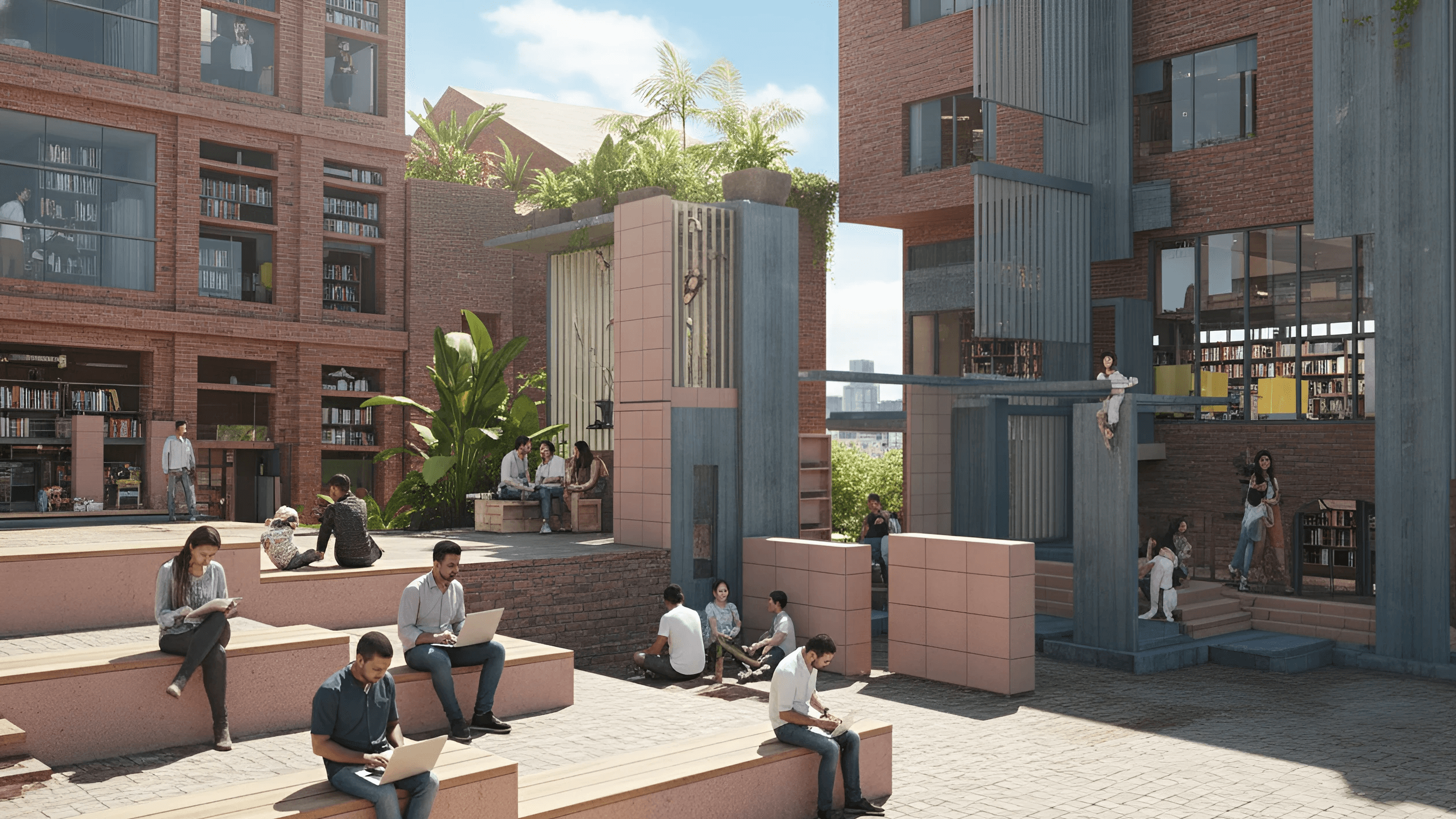
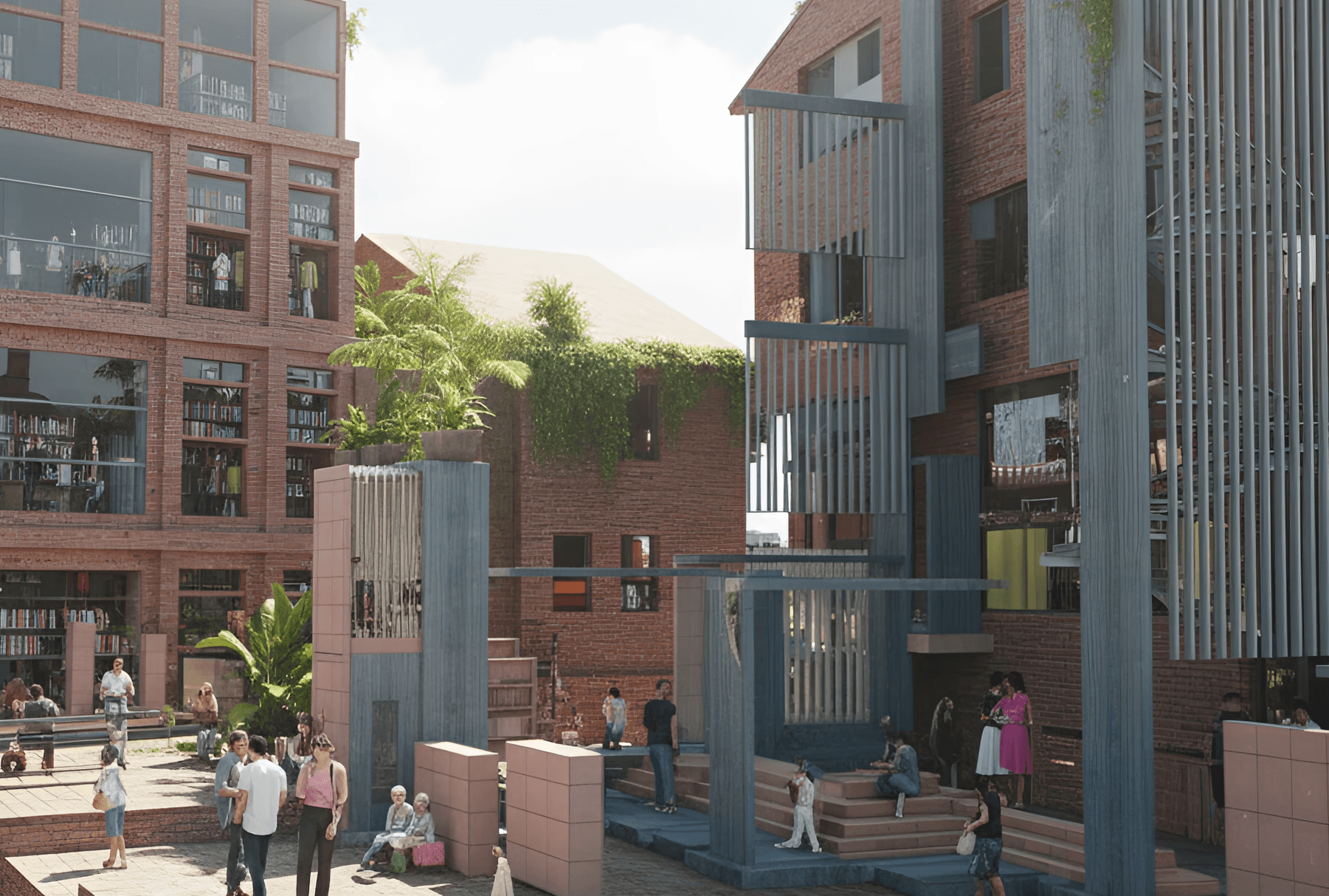
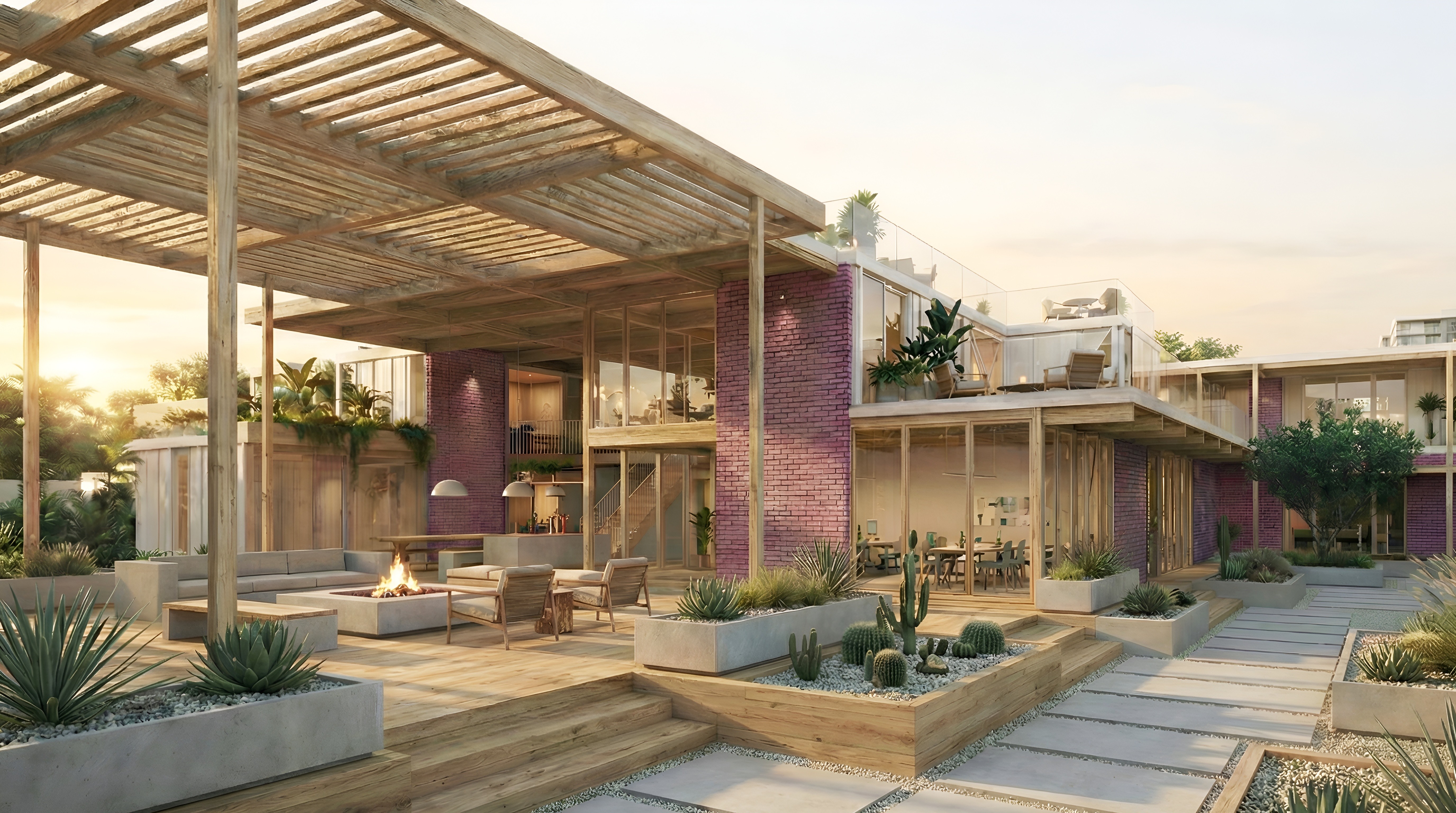
Spatial hierarchy is defined by process rather than representation. Raw clay handling and preparation occupy ground-near, heavier enclosures buffered against heat gain; forming and glazing spaces transition into lighter, naturally ventilated volumes; firing zones are expressed as thermally robust cores embedded within the site. Circulation is intentionally slow and linear, allowing production stages to be read sequentially through movement. Exterior courts function as seasonal working rooms, accommodating drying, informal gathering, and material storage, while also acting as climatic buffers within the Mediterranean heat cycle.
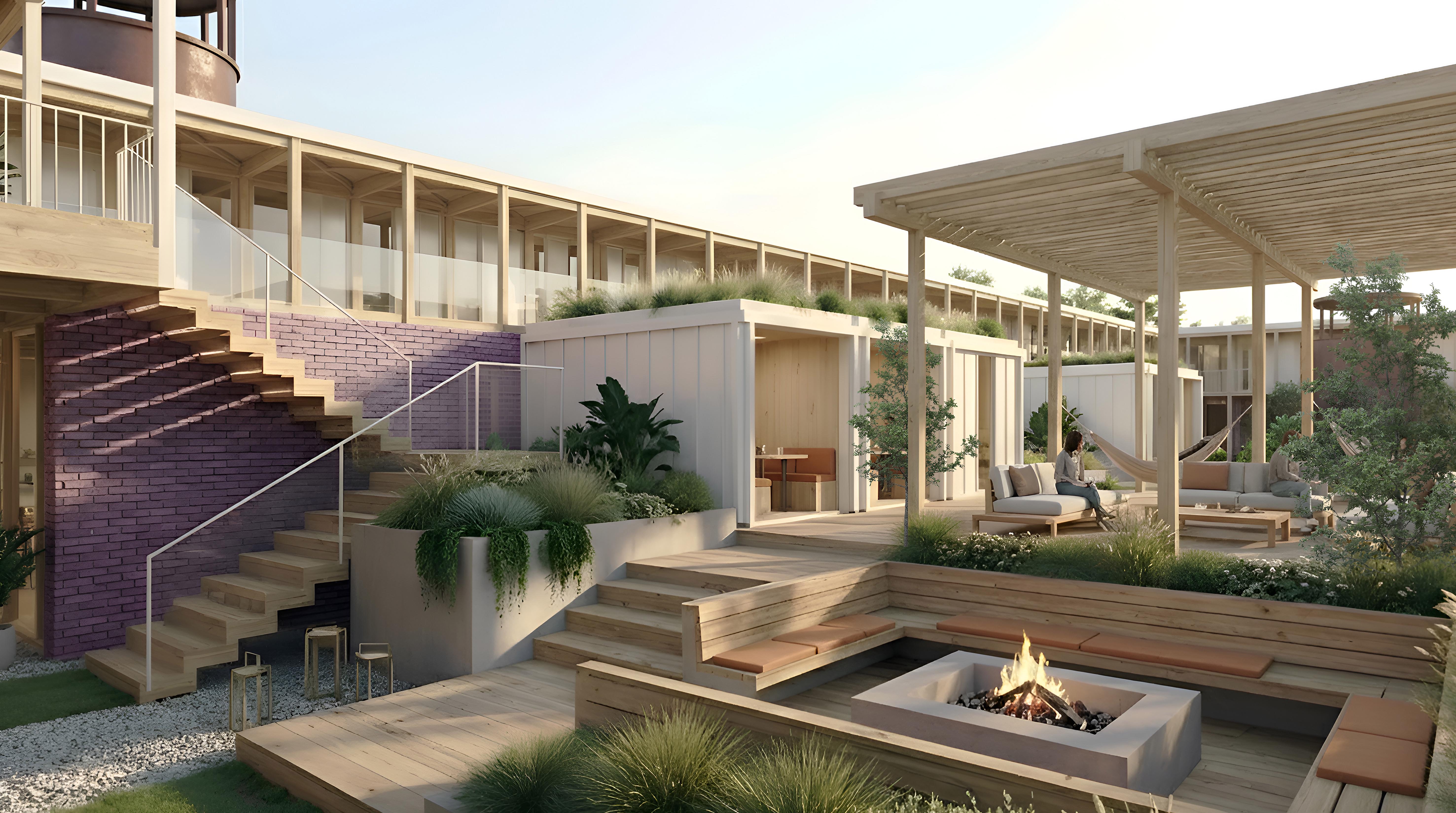
Material choices are restrained and site-responsive: timber elements, mineral-based surfaces, and untreated structural systems are assembled to weather, bleach, and age alongside the ceramic processes they host. Construction tolerances remain intentionally legible, reinforcing a dialogue between precision and imperfection intrinsic to ceramic production. Landscape intervention is minimal, relying on ground leveling, retaining edges, and planted clearings integrated with existing vegetation—palms, cultivated trees, and low ground cover—rather than formalized gardens.
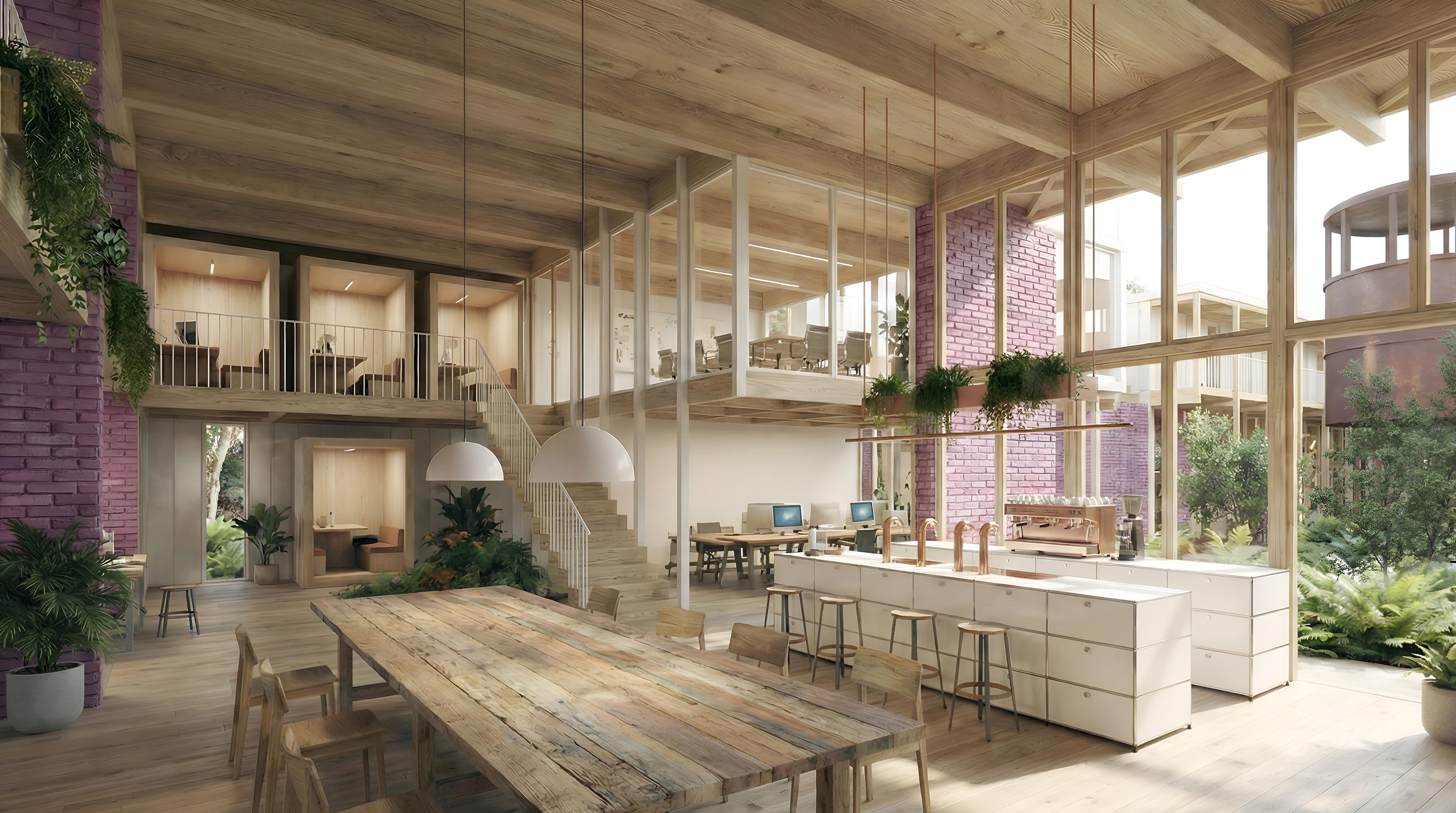
The center accommodates design research, hands-on production, and knowledge transfer within a single spatial continuum, supporting both resident makers and visiting practitioners. Learning occurs through proximity—between bodies, tools, heat, material, and time—rather than through separation.
Beyond its production role, the center establishes a calibrated interface between work, dwelling, and reflection without formalizing a residential program. Short-stay maker rooms, tool-maintenance bays, and shared hearth spaces are embedded at the edges of the working field, allowing prolonged engagement with the site while preserving its calmness. Light is treated as a working instrument—filtered, lateral, and heat-aware—entering through deep reveals, shaded clerestories, and partially open roofs to register daily and seasonal shifts. As a result, the architecture does not frame production as an event to be observed, but as a continuous condition to be inhabited, reinforcing Kaledran’s character as a place where making, waiting, and transformation unfold at their own pace.
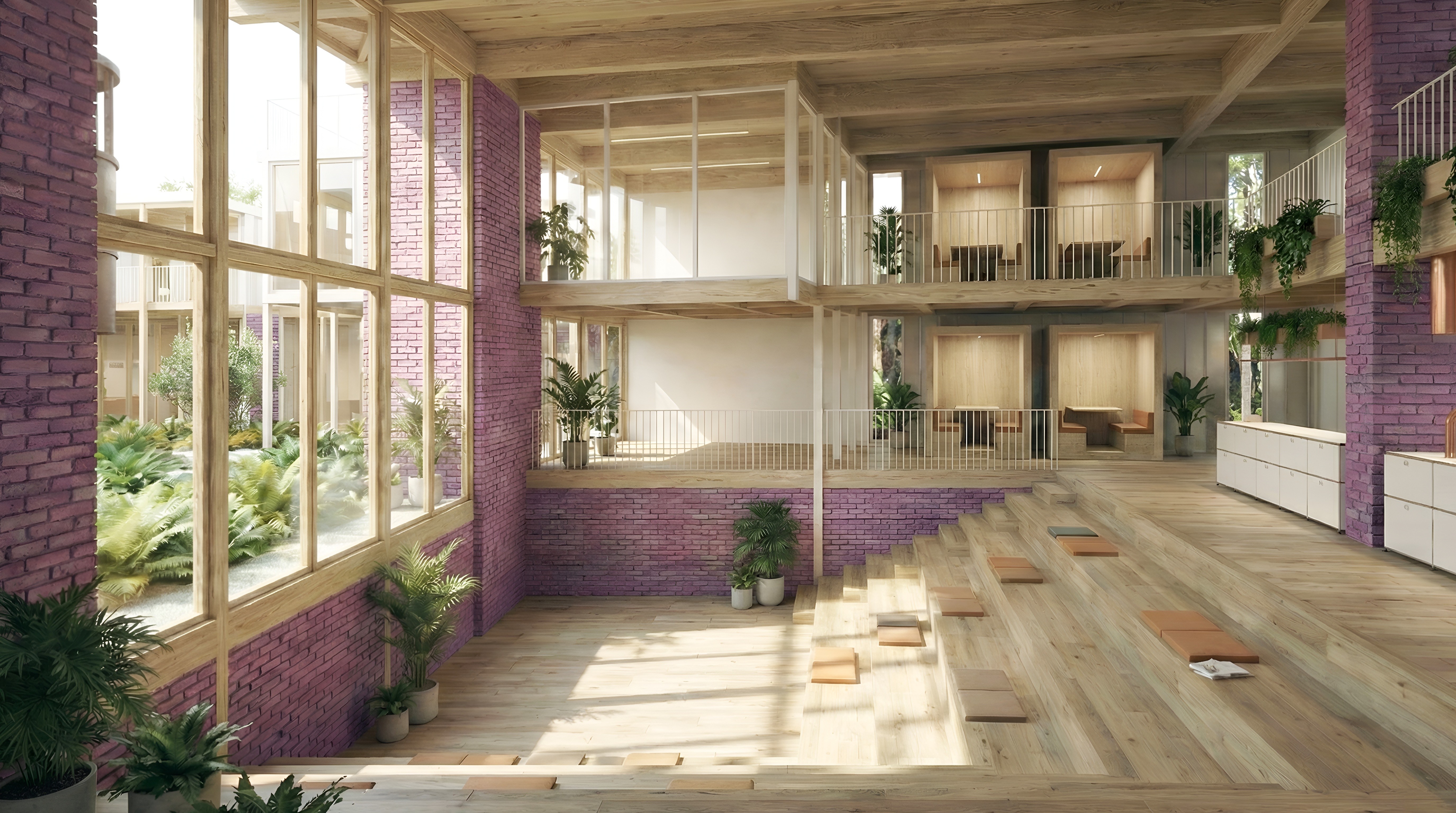
Ceramics and Stories is conceived as a contemporary design and production center embedded within the rural Mediterranean landscape of Kaledran Village, Anamur, where ceramic practice is understood not as an isolated craft but as a spatial, material, and temporal process rooted in ground, labor, and continuity. The project deliberately distances itself from curated rural imagery, engaging instead a quiet, low-density production landscape shaped by small-scale agriculture, orchards, and seasonal cultivation cycles under a stable coastal climate.
The architectural composition unfolds as a dispersed ensemble of low-rise volumes, calibrated to the scale of the village and aligned with existing topographic gradients and agricultural traces. Rather than a singular object, the center operates as a porous working field, where kilns, workshops, drying courts, material preparation spaces, and learning units are articulated as distinct yet interdependent structures. These elements are connected through shaded passages, semi-open galleries, and compressed thresholds that regulate light, heat, and airflow while mediating between interior production environments and the surrounding terrain.
Spatial hierarchy is defined by process rather than representation. Raw clay handling and preparation occupy ground-near, heavier enclosures buffered against heat gain; forming and glazing spaces transition into lighter, naturally ventilated volumes; firing zones are expressed as thermally robust cores embedded within the site. Circulation is intentionally slow and linear, allowing production stages to be read sequentially through movement. Exterior courts function as seasonal working rooms, accommodating drying, informal gathering, and material storage, while also acting as climatic buffers within the Mediterranean heat cycle.
Material choices are restrained and site-responsive: timber elements, mineral-based surfaces, and untreated structural systems are assembled to weather, bleach, and age alongside the ceramic processes they host. Construction tolerances remain intentionally legible, reinforcing a dialogue between precision and imperfection intrinsic to ceramic production. Landscape intervention is minimal, relying on ground leveling, retaining edges, and planted clearings integrated with existing vegetation—palms, cultivated trees, and low ground cover—rather than formalized gardens.
The center accommodates design research, hands-on production, and knowledge transfer within a single spatial continuum, supporting both resident makers and visiting practitioners. Learning occurs through proximity—between bodies, tools, heat, material, and time—rather than through separation.
Beyond its production role, the center establishes a calibrated interface between work, dwelling, and reflection without formalizing a residential program. Short-stay maker rooms, tool-maintenance bays, and shared hearth spaces are embedded at the edges of the working field, allowing prolonged engagement with the site while preserving its calmness. Light is treated as a working instrument—filtered, lateral, and heat-aware—entering through deep reveals, shaded clerestories, and partially open roofs to register daily and seasonal shifts. As a result, the architecture does not frame production as an event to be observed, but as a continuous condition to be inhabited, reinforcing Kaledran’s character as a place where making, waiting, and transformation unfold at their own pace.
Project team:
S&A
Building physics:
S&A BPC
(Other works)