SCBD Pods
Status:
R&D
Year:
2015-2016
Type:
Urban Design
Size:
720 m²
Client:
Institutional Proposal
Location:
Sudirman, Jakarta, Indonesia
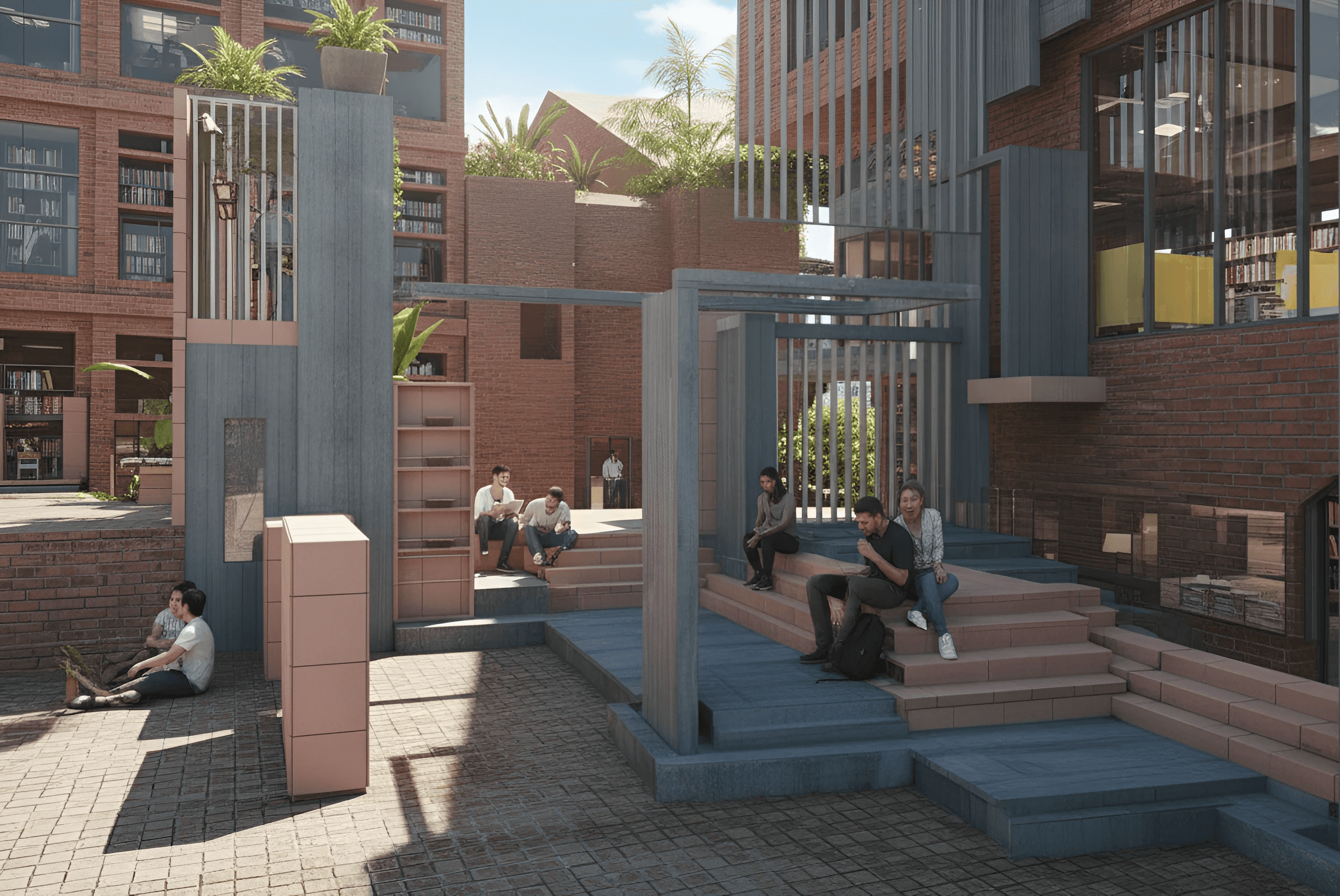
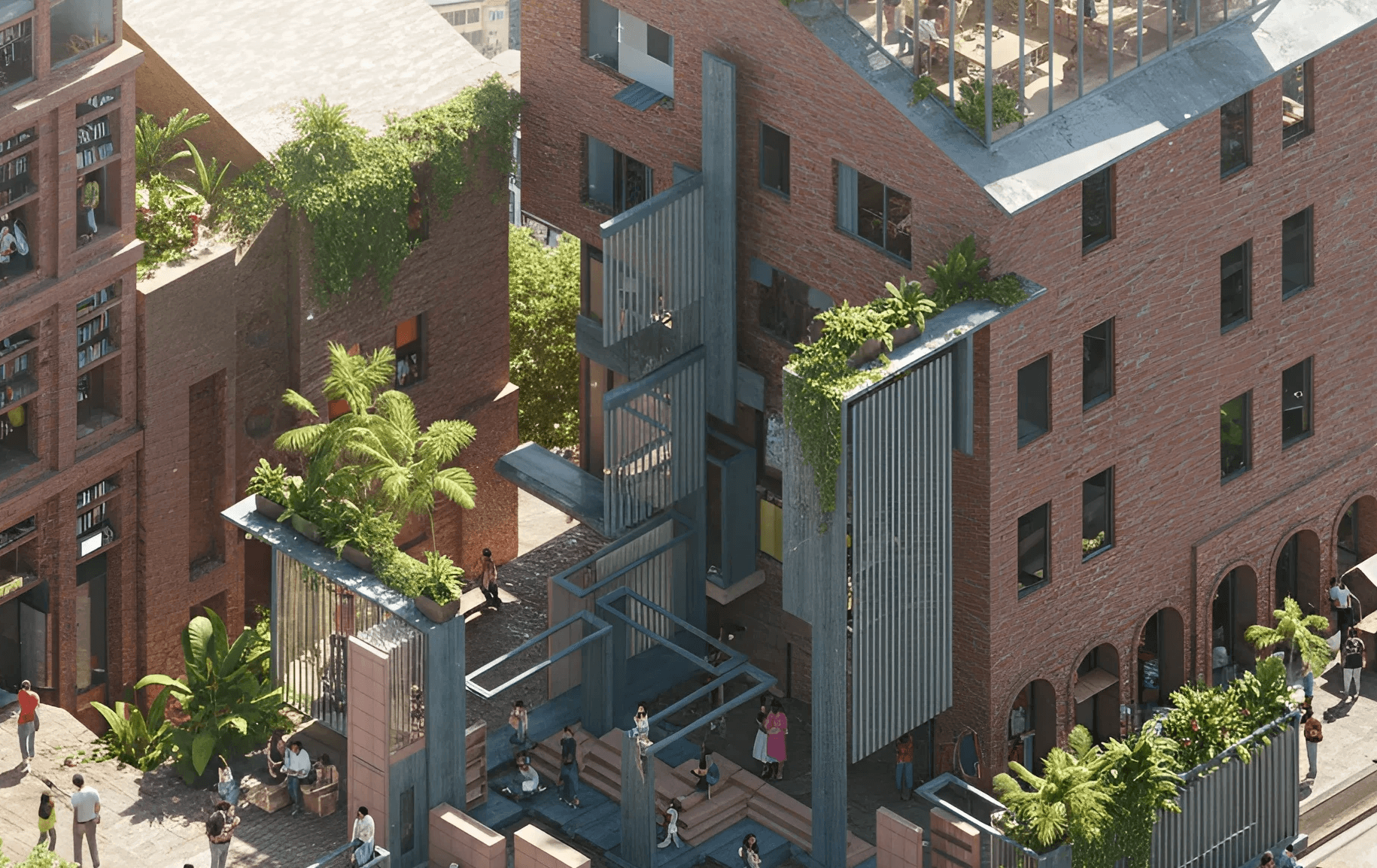
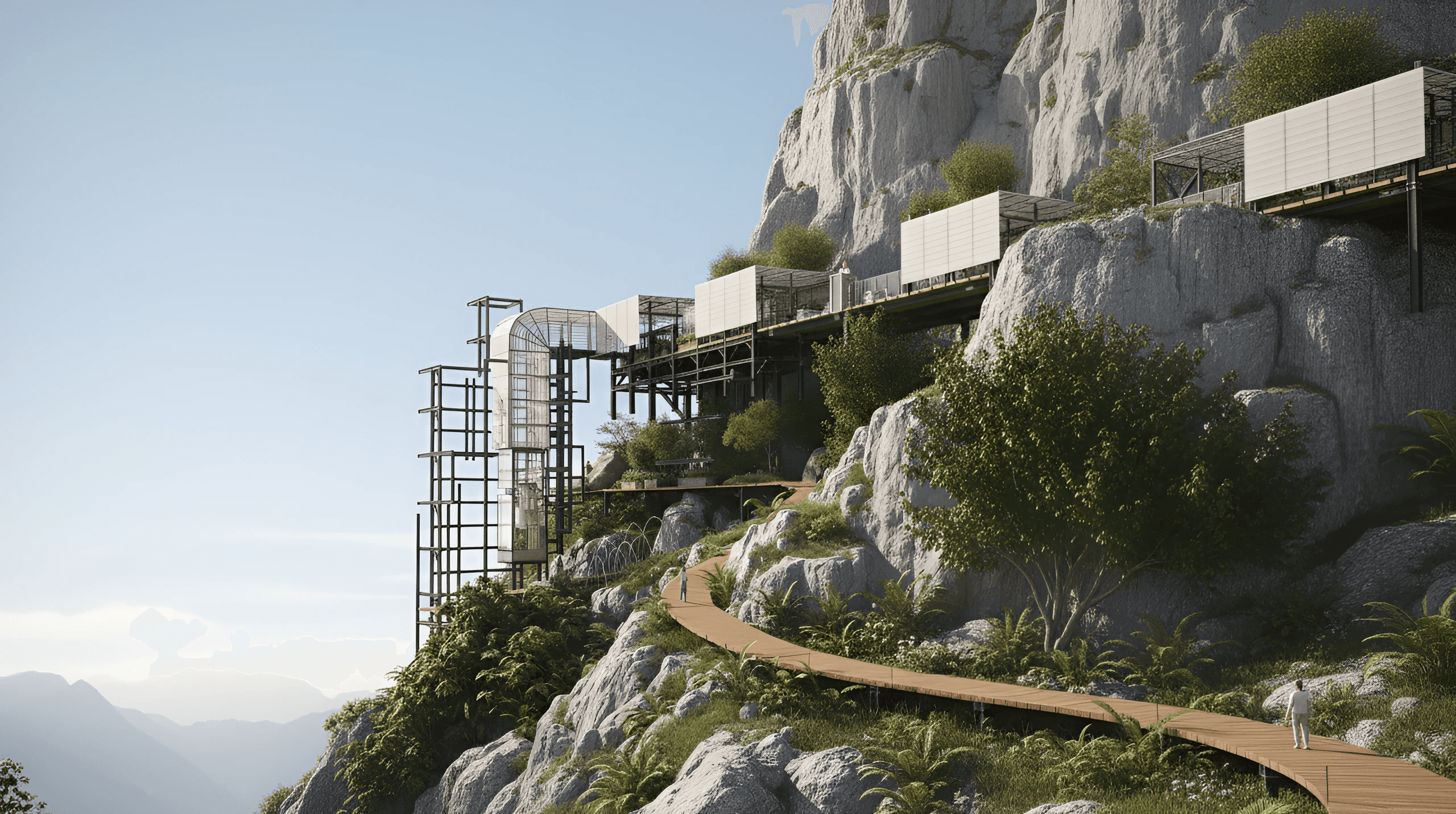
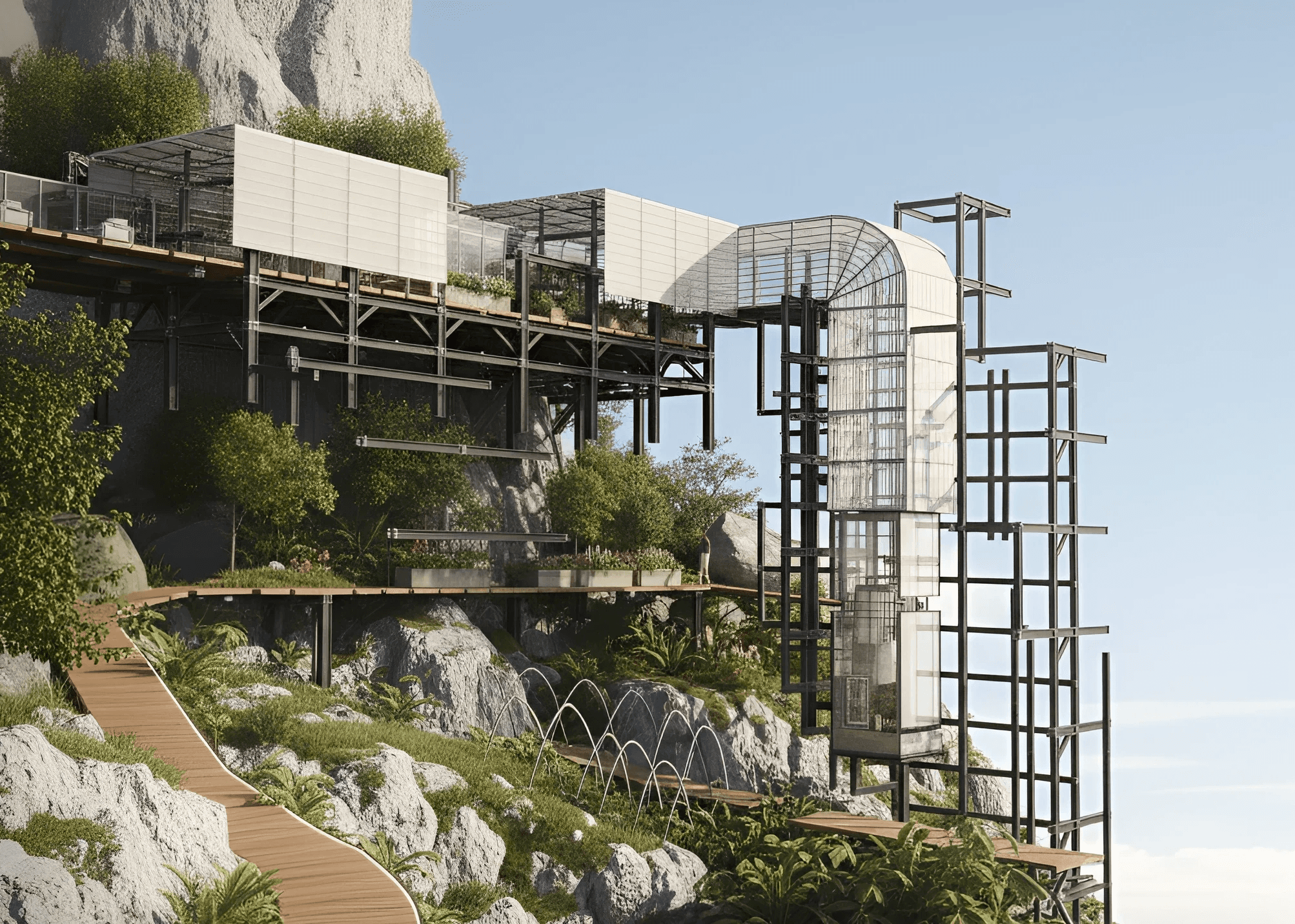
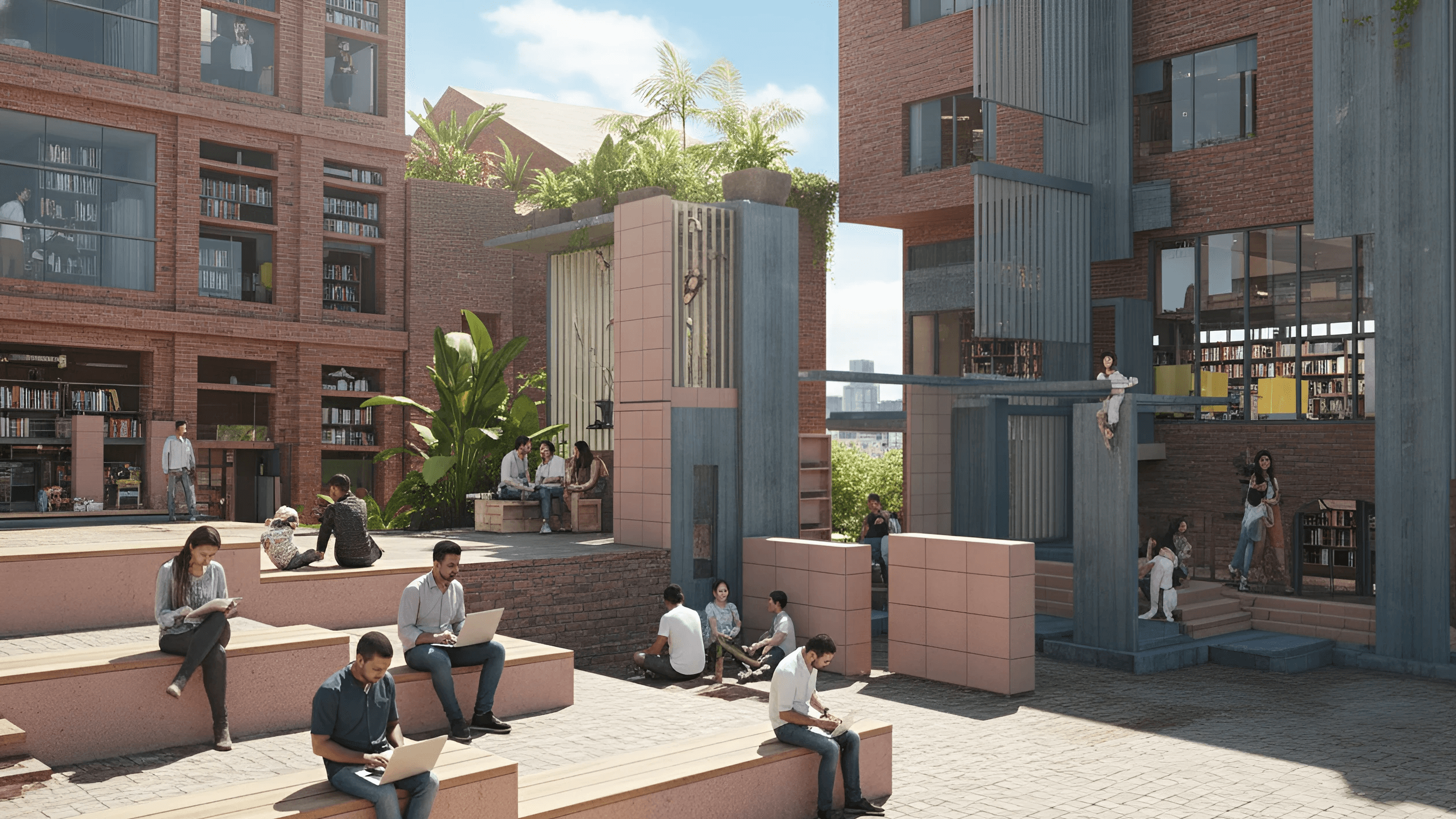
The Sudirman Central Business District (SCBD) in Jakarta represents one of the city’s most dynamic urban environments, characterized by intense commercial activity, dense vertical development, and continuous pedestrian circulation. Within this highly structured metropolitan condition, opportunities for quiet reflection, cultural engagement, and informal social interaction remain limited. The proposed open-air Reading and Sharing Modules aim to introduce micro-scaled civic anchors that enrich daily life by creating spaces for reading, knowledge exchange, and community gathering. Rather than functioning as isolated objects, the modules form a dispersed network embedded into shaded pedestrian routes, open plazas, and transitional green corridors. Their placement encourages slower rhythms in an otherwise fast-paced business district, supporting walkability and enabling smooth integration with adjacent cafés, offices, transit stops, and landscaped edges.
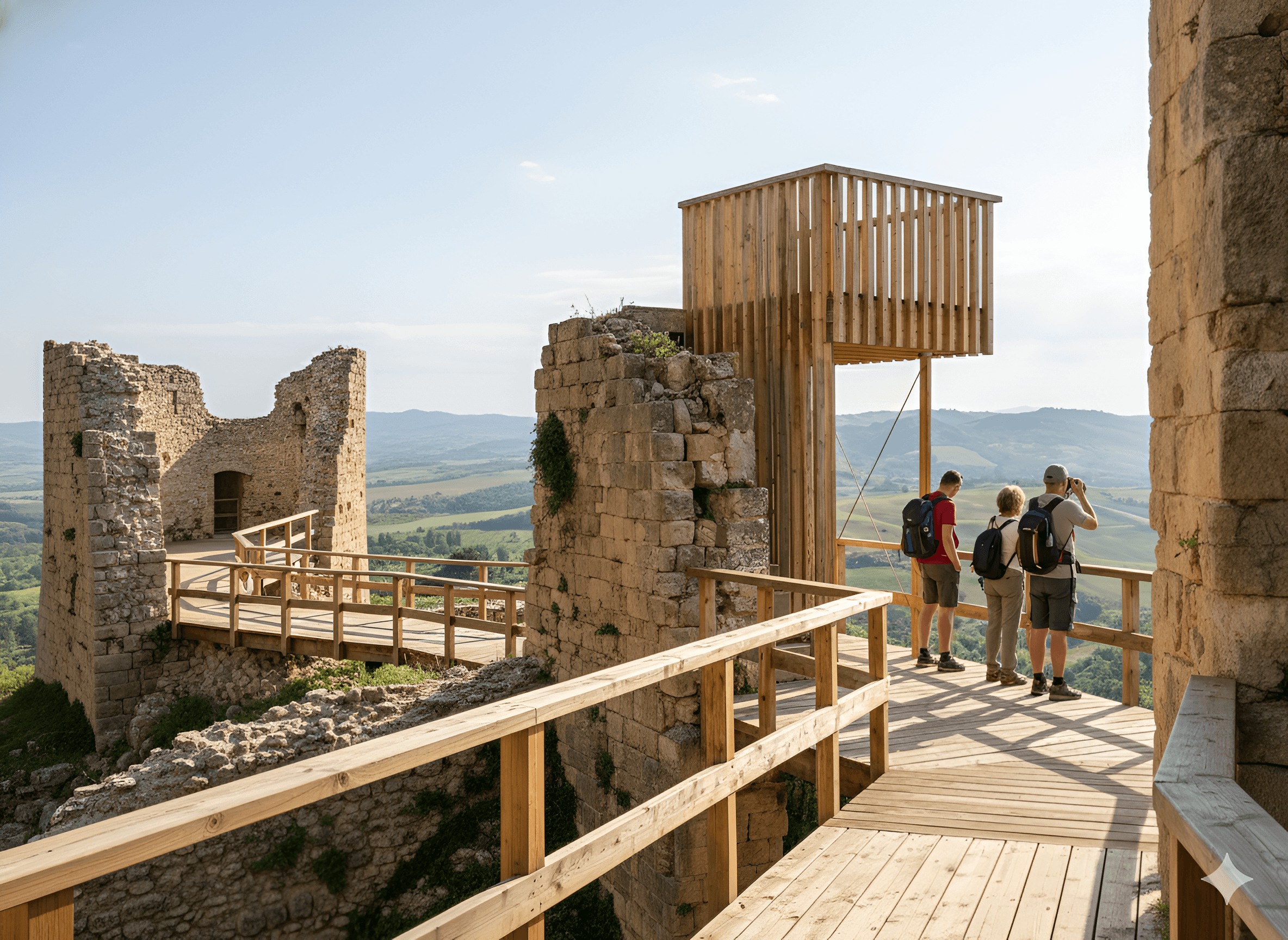
The architectural language of the modules balances openness with refuge. Each structure provides a sense of enclosure sufficient for concentration while remaining permeable to airflow, daylight, and urban views. Three spatial characters—individual reading pods, small-group alcoves, and open platforms—compose a modular system capable of adapting to different site conditions and community uses. Individual pods offer intimate environments for solitary reading and digital work, while semi-enclosed alcoves support small discussions, collaborative study, and informal meetings. Open platforms extend the modules’ sociocultural impact by hosting public readings, storytelling sessions, and spontaneous cultural programs. Together, these typologies cultivate a nuanced public realm that responds to both individual quietude and collective interaction.
Material and construction strategies emphasize sustainability, climatic resilience, and logistical efficiency. Lightweight steel frames, laminated bamboo elements, and recycled polymer panels create a durable yet visually warm assembly. Perforated shading surfaces and operable louvers mitigate solar exposure while enhancing cross-ventilation, ensuring comfort in Jakarta’s tropical climate. Prefabricated components allow for rapid installation with minimal disruption to the district’s daily operations, while integrated rainwater channels and vegetated trellises contribute to microclimate regulation and ecological performance.
Beyond their physical configuration, the Reading and Sharing Modules serve as cultural instruments that expand the public identity of SCBD. They act as social condensers—compact spaces that intensify civic engagement, invite spontaneous encounters, and promote a culture of sharing knowledge. The project envisions collaborations with local libraries, universities, and cultural organizations to rotate book collections, host periodic events, and provide access to digital resources, ensuring that the modules remain active, inclusive, and continuously relevant. Over time, the network establishes a new layer of urban experience, transforming SCBD from a purely commercial and financial district into a more holistic environment where intellectual engagement, communal presence, and everyday cultural activity can thrive.
The Sudirman Central Business District (SCBD) in Jakarta represents one of the city’s most dynamic urban environments, characterized by intense commercial activity, dense vertical development, and continuous pedestrian circulation. Within this highly structured metropolitan condition, opportunities for quiet reflection, cultural engagement, and informal social interaction remain limited. The proposed open-air Reading and Sharing Modules aim to introduce micro-scaled civic anchors that enrich daily life by creating spaces for reading, knowledge exchange, and community gathering. Rather than functioning as isolated objects, the modules form a dispersed network embedded into shaded pedestrian routes, open plazas, and transitional green corridors. Their placement encourages slower rhythms in an otherwise fast-paced business district, supporting walkability and enabling smooth integration with adjacent cafés, offices, transit stops, and landscaped edges.
The architectural language of the modules balances openness with refuge. Each structure provides a sense of enclosure sufficient for concentration while remaining permeable to airflow, daylight, and urban views. Three spatial characters—individual reading pods, small-group alcoves, and open platforms—compose a modular system capable of adapting to different site conditions and community uses. Individual pods offer intimate environments for solitary reading and digital work, while semi-enclosed alcoves support small discussions, collaborative study, and informal meetings. Open platforms extend the modules’ sociocultural impact by hosting public readings, storytelling sessions, and spontaneous cultural programs. Together, these typologies cultivate a nuanced public realm that responds to both individual quietude and collective interaction.
Material and construction strategies emphasize sustainability, climatic resilience, and logistical efficiency. Lightweight steel frames, laminated bamboo elements, and recycled polymer panels create a durable yet visually warm assembly. Perforated shading surfaces and operable louvers mitigate solar exposure while enhancing cross-ventilation, ensuring comfort in Jakarta’s tropical climate. Prefabricated components allow for rapid installation with minimal disruption to the district’s daily operations, while integrated rainwater channels and vegetated trellises contribute to microclimate regulation and ecological performance.
Beyond their physical configuration, the Reading and Sharing Modules serve as cultural instruments that expand the public identity of SCBD. They act as social condensers—compact spaces that intensify civic engagement, invite spontaneous encounters, and promote a culture of sharing knowledge. The project envisions collaborations with local libraries, universities, and cultural organizations to rotate book collections, host periodic events, and provide access to digital resources, ensuring that the modules remain active, inclusive, and continuously relevant. Over time, the network establishes a new layer of urban experience, transforming SCBD from a purely commercial and financial district into a more holistic environment where intellectual engagement, communal presence, and everyday cultural activity can thrive.
Project team:
S&A
Building physics:
S&A
Honors:
Young Architects Meeting, Participants' Choice Award
(Other works)