Kecioren Fatih Stadium Area Urban Design
Status:
R&D
Year:
2025
Type:
Urban Design
Size:
12050 m²
Client:
Kecioren Municipality
Location:
Kecioren, Ankara, Turkey
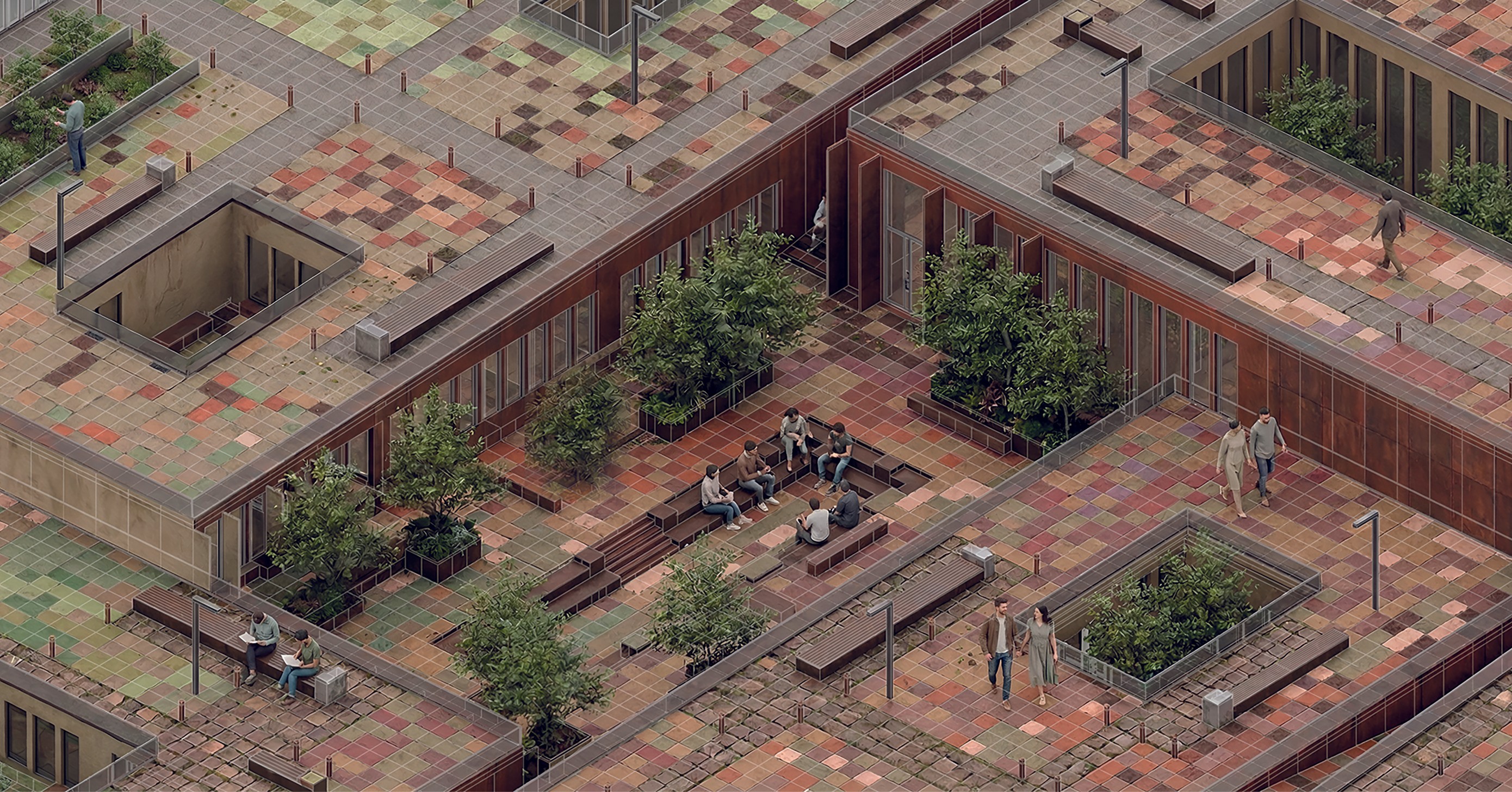
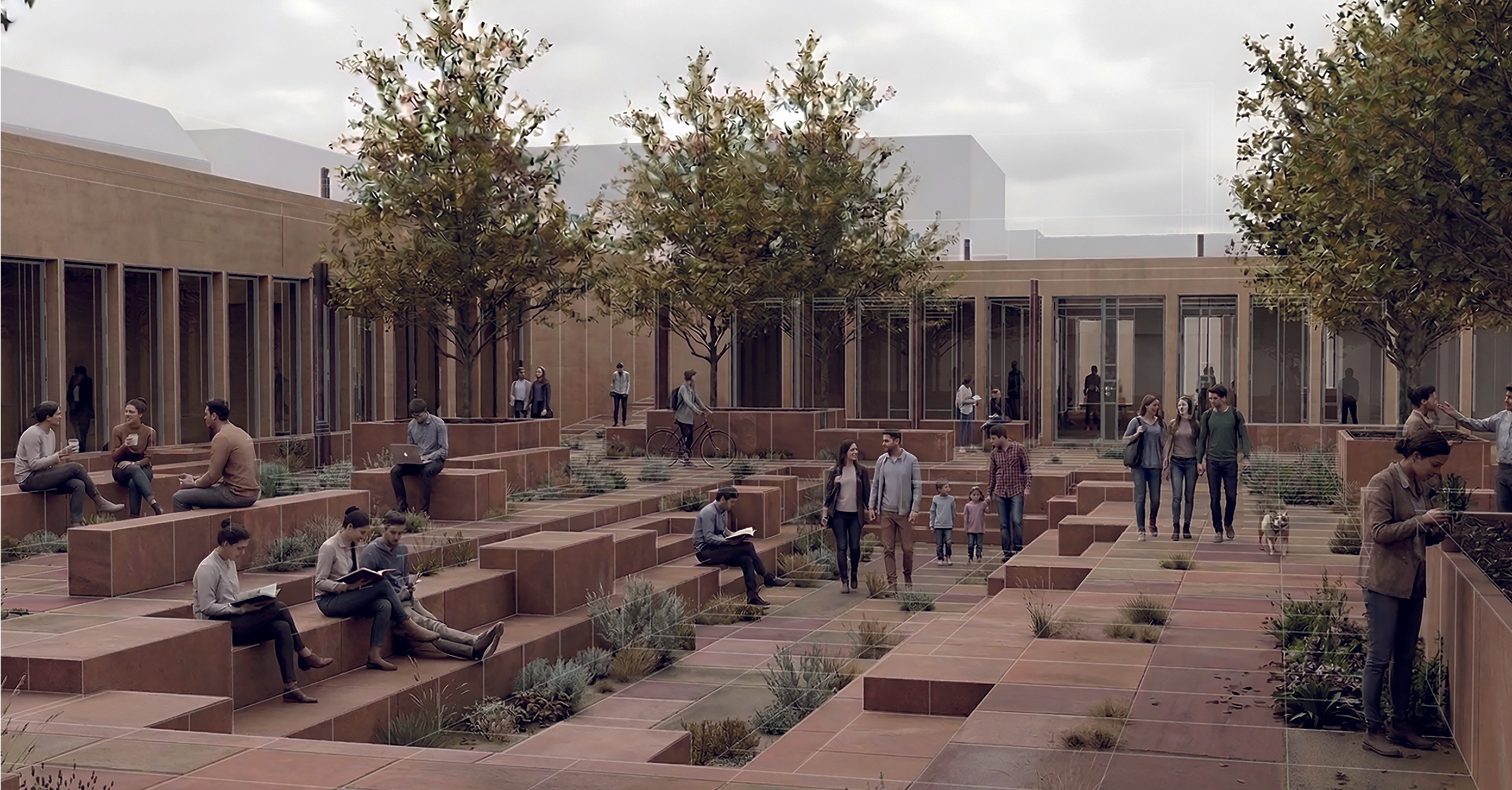
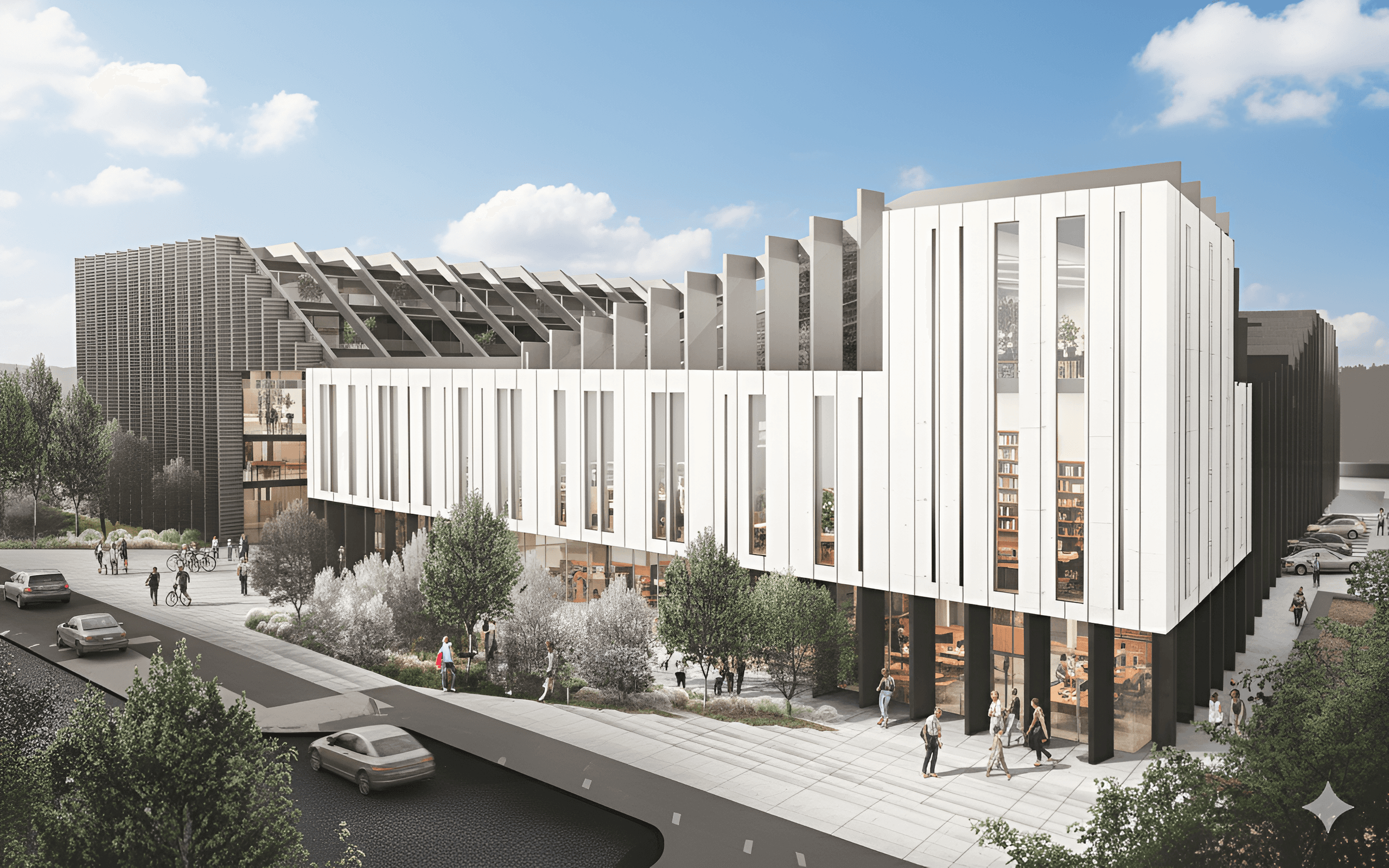
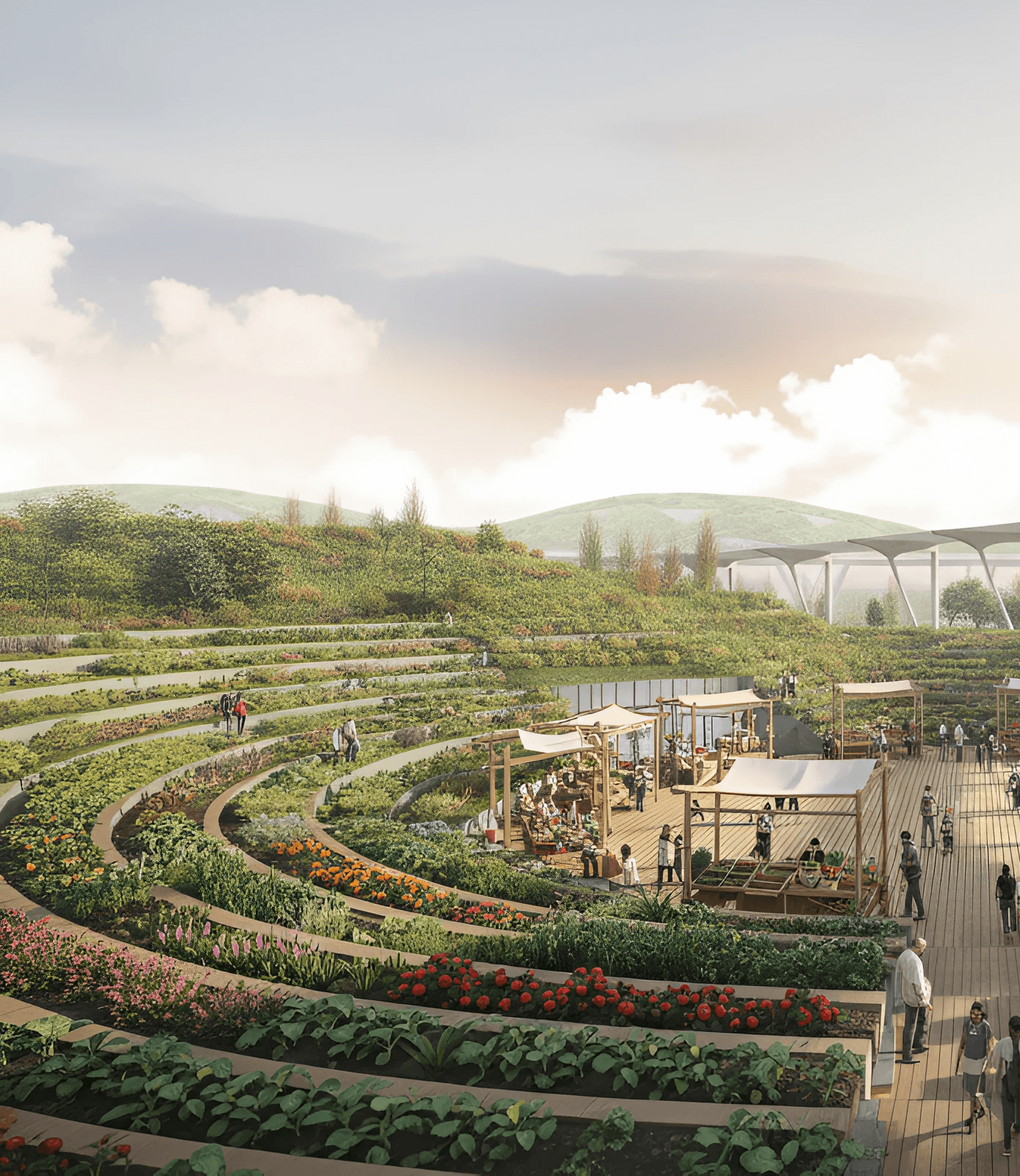
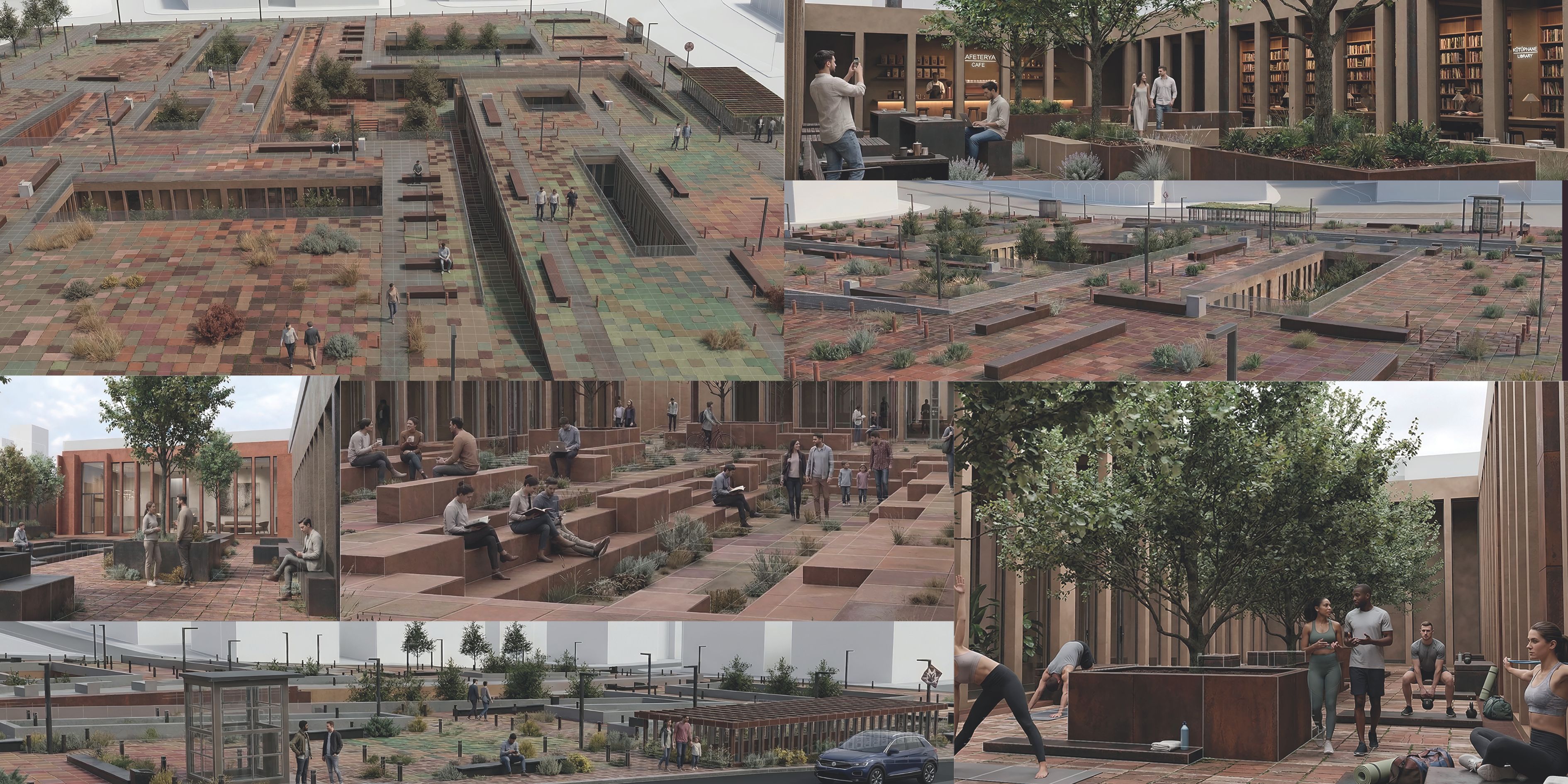
The Keçiören Fatih Stadium site, located in the northern part of Ankara, operates as a critical node where urban mobility intensifies and shifts direction along a strong transportation spine. Its direct relationship with the Kuyubaşı Metro station transforms the area into a transitional interface rather than a fixed destination. In this proposal, the site is not approached as a static planimetric problem, but as a sedimentary field condition. This perspective foregrounds the coexistence and interaction of multiple layers, including pedological (ground), geological (structural), hydrological (water flows), and socio-cultural strata. The sedimentary approach constructs a permeable urban fabric through the superposition of layers with varying densities and performance capacities. The project is therefore developed through a sectional continuity rather than a purely planar organization. The ground is redefined not as a flat surface, but as a relational field shaped by horizontal, vertical, and temporal interactions. Topographical variations, hydrological flows, and programmatic intensities collectively inform the spatial morphology of the site.
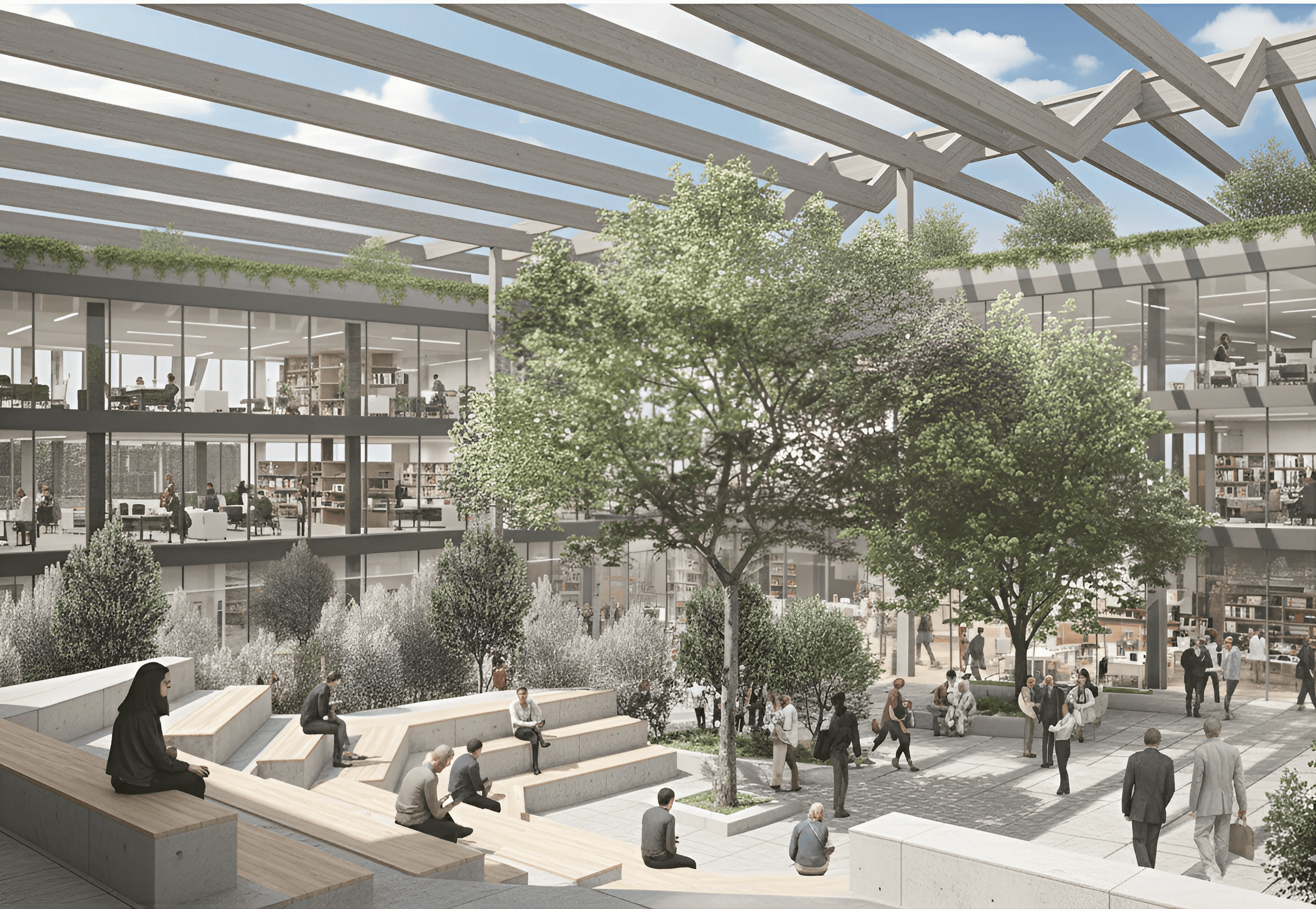
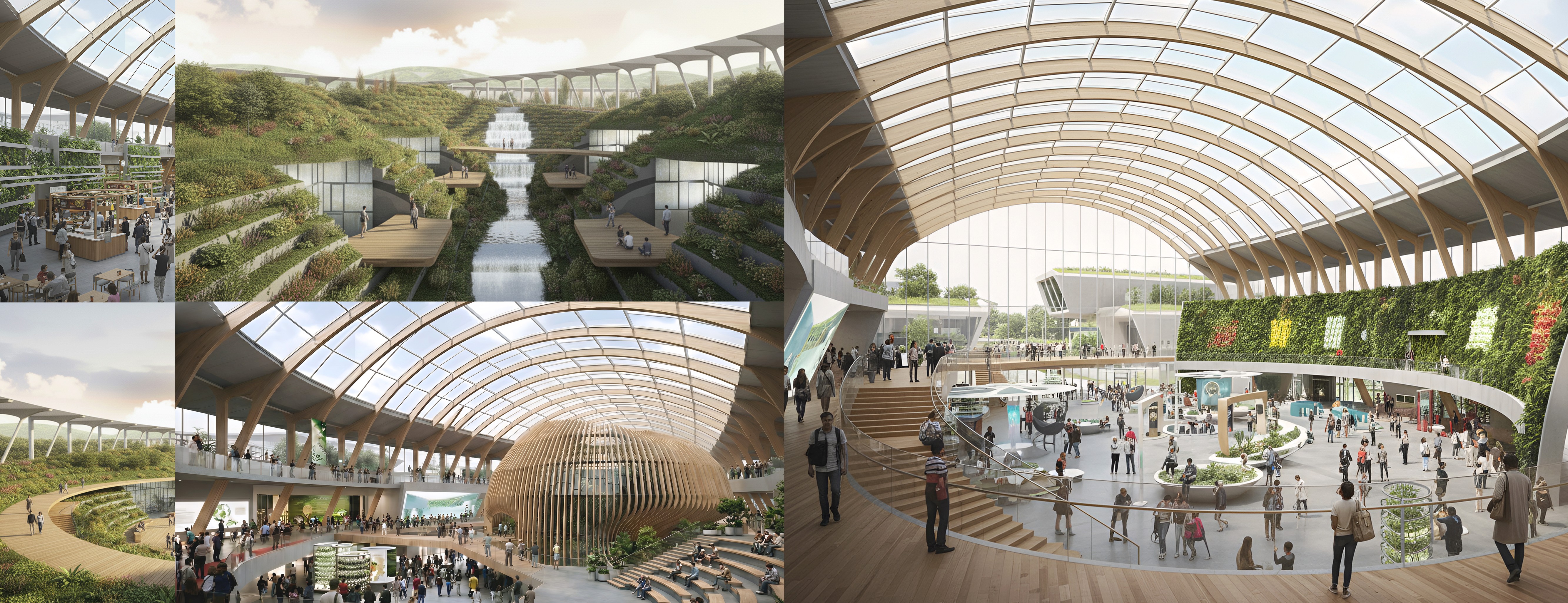
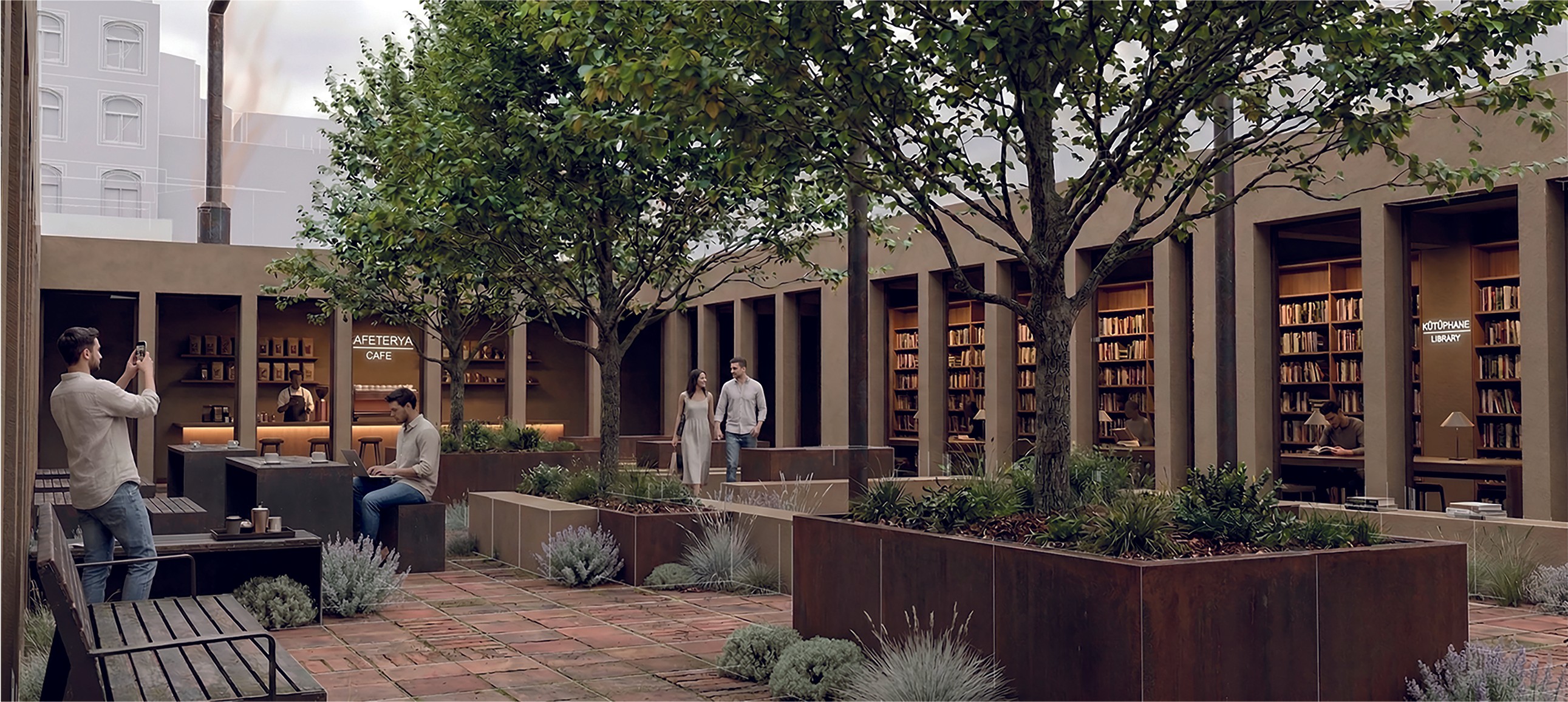
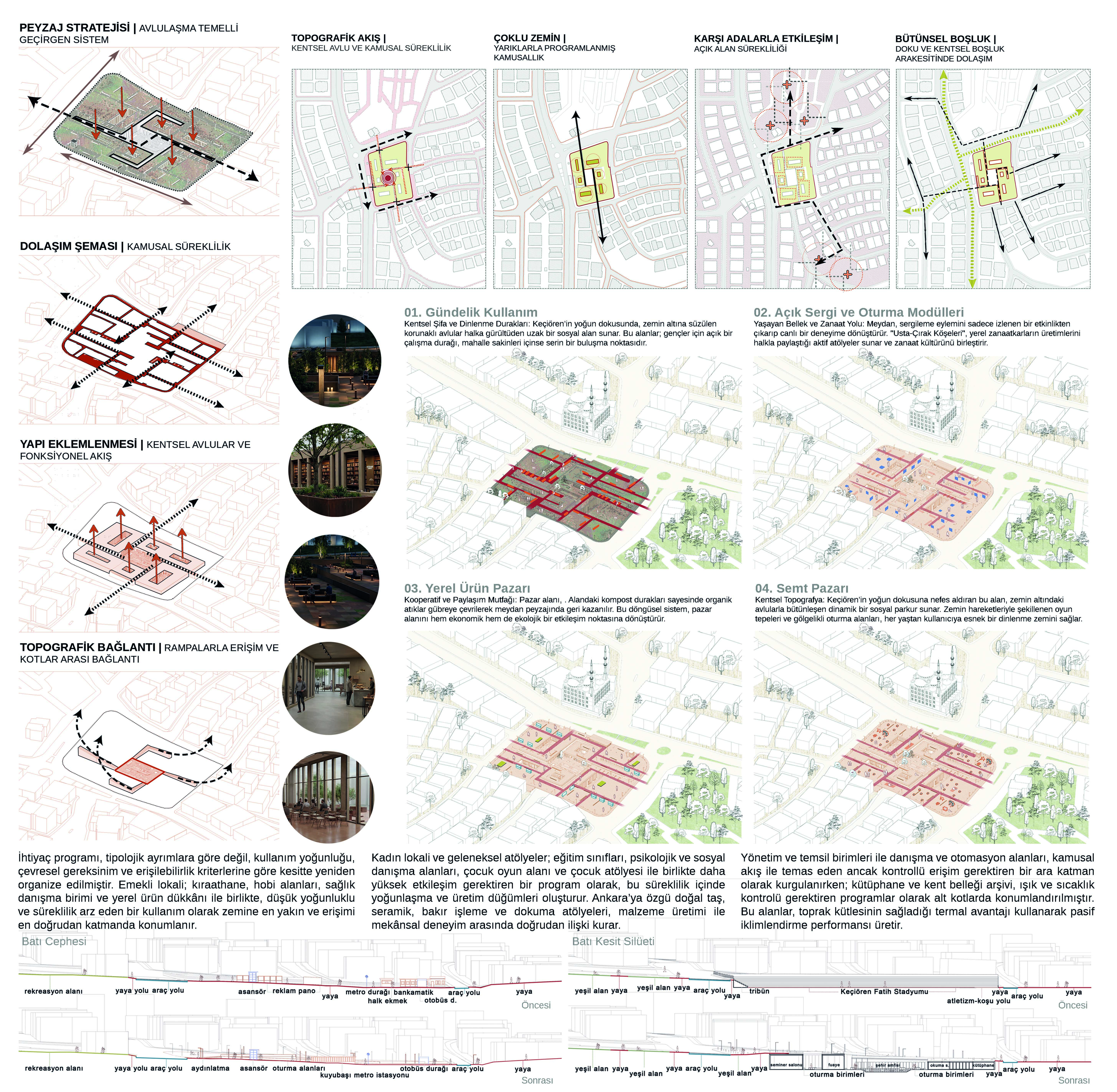
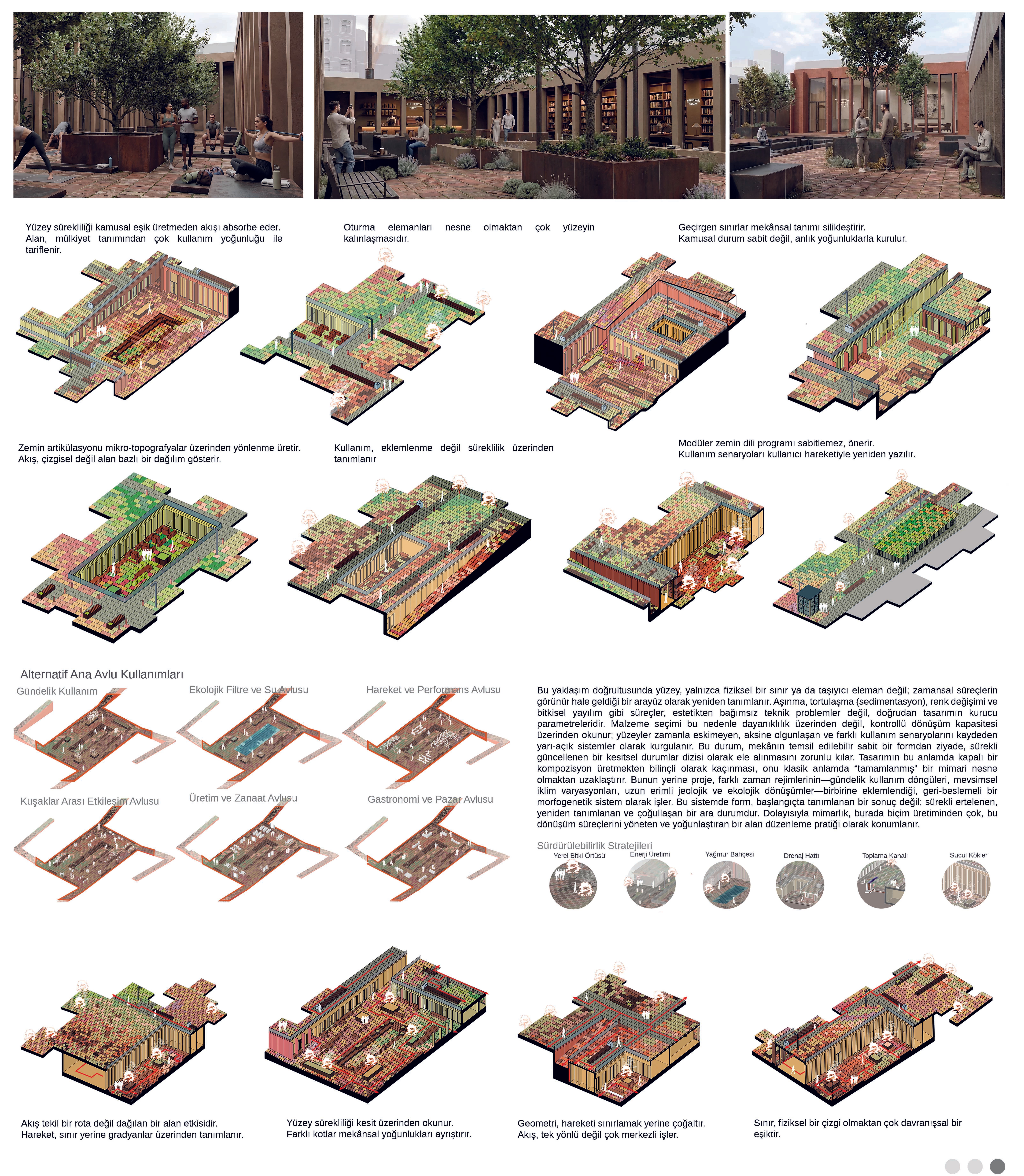
Within this framework, the concept of thresholdlessness is reinterpreted through permeability and continuity. Instead of rigid separations between open, semi-open, and enclosed spaces, the project proposes gradual transitions that enable uninterrupted spatial experience. These transitional conditions allow multiple layers of use to coexist, supporting diverse intensities and forms of occupation. Public space is therefore not conceived as a series of isolated voids, but as a continuous and evolving system of interconnected flows.
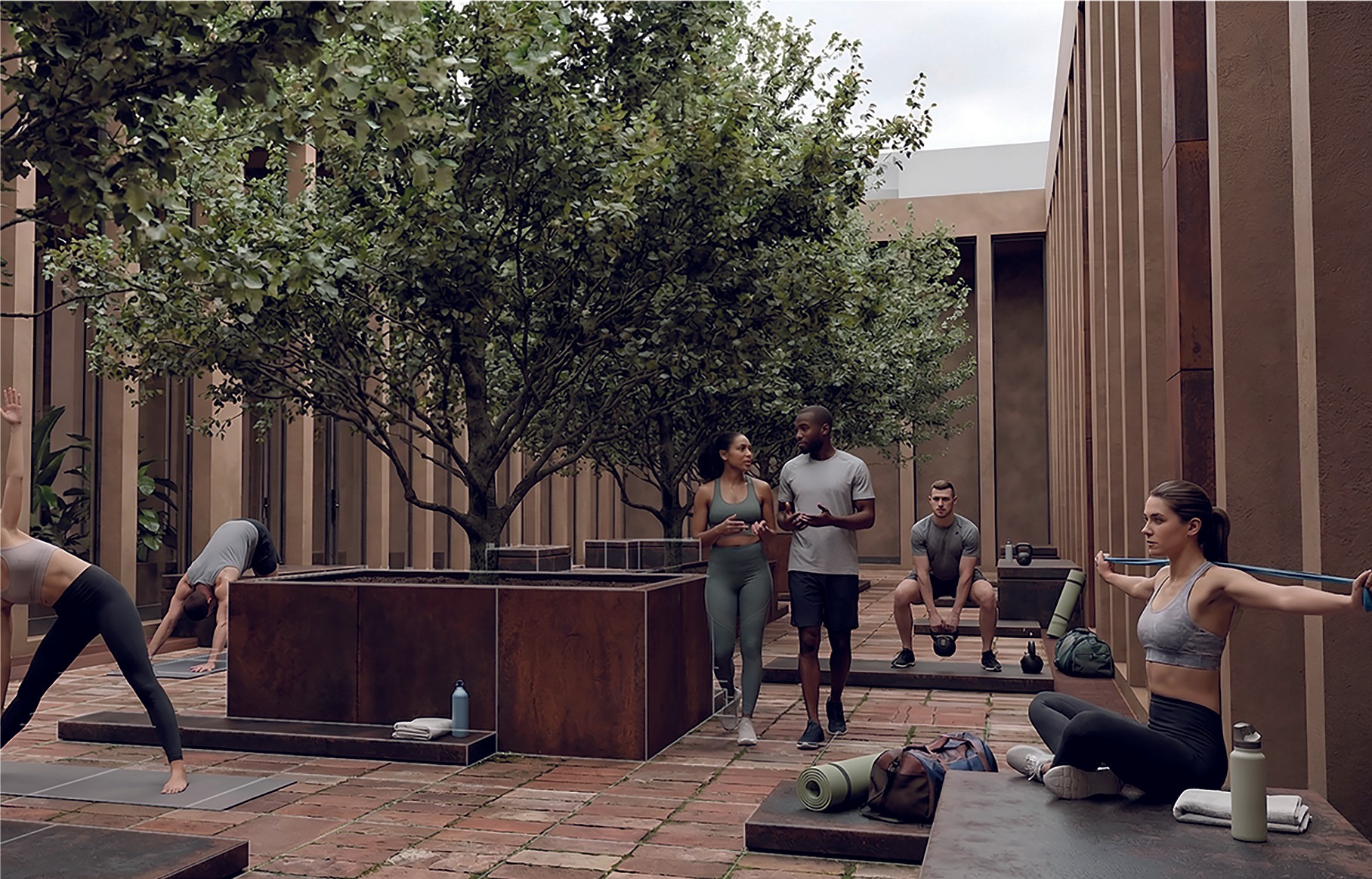
The project deliberately avoids the creation of a singular, fixed focal point. Instead, it introduces a fluid and multi-centered spatial organization that supports dynamic patterns of movement and interaction. This system enhances the continuity of urban flows while generating opportunities for encounter at different scales. The site is thus reimagined not as a static public ground, but as an active surface shaped by intersecting trajectories.
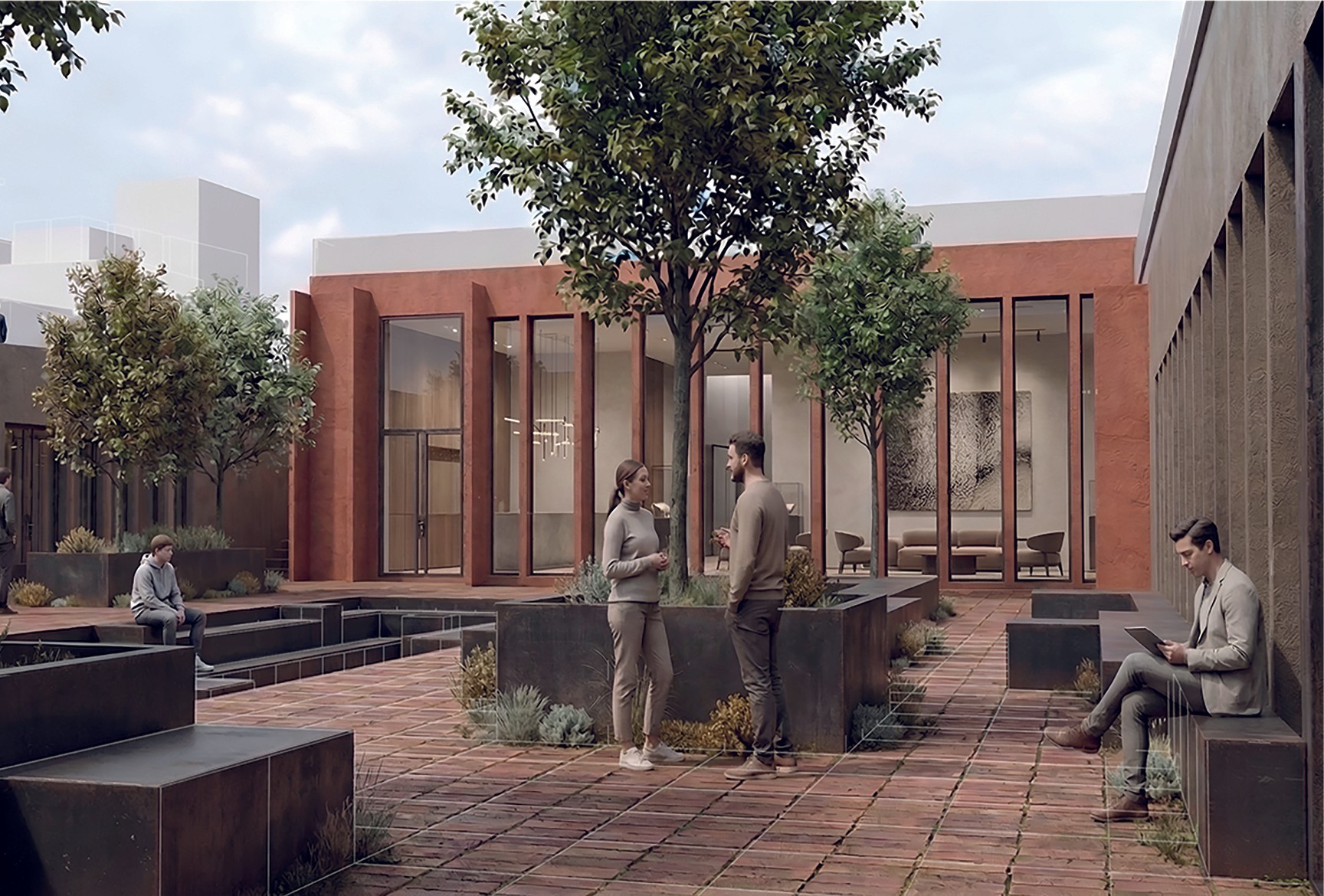
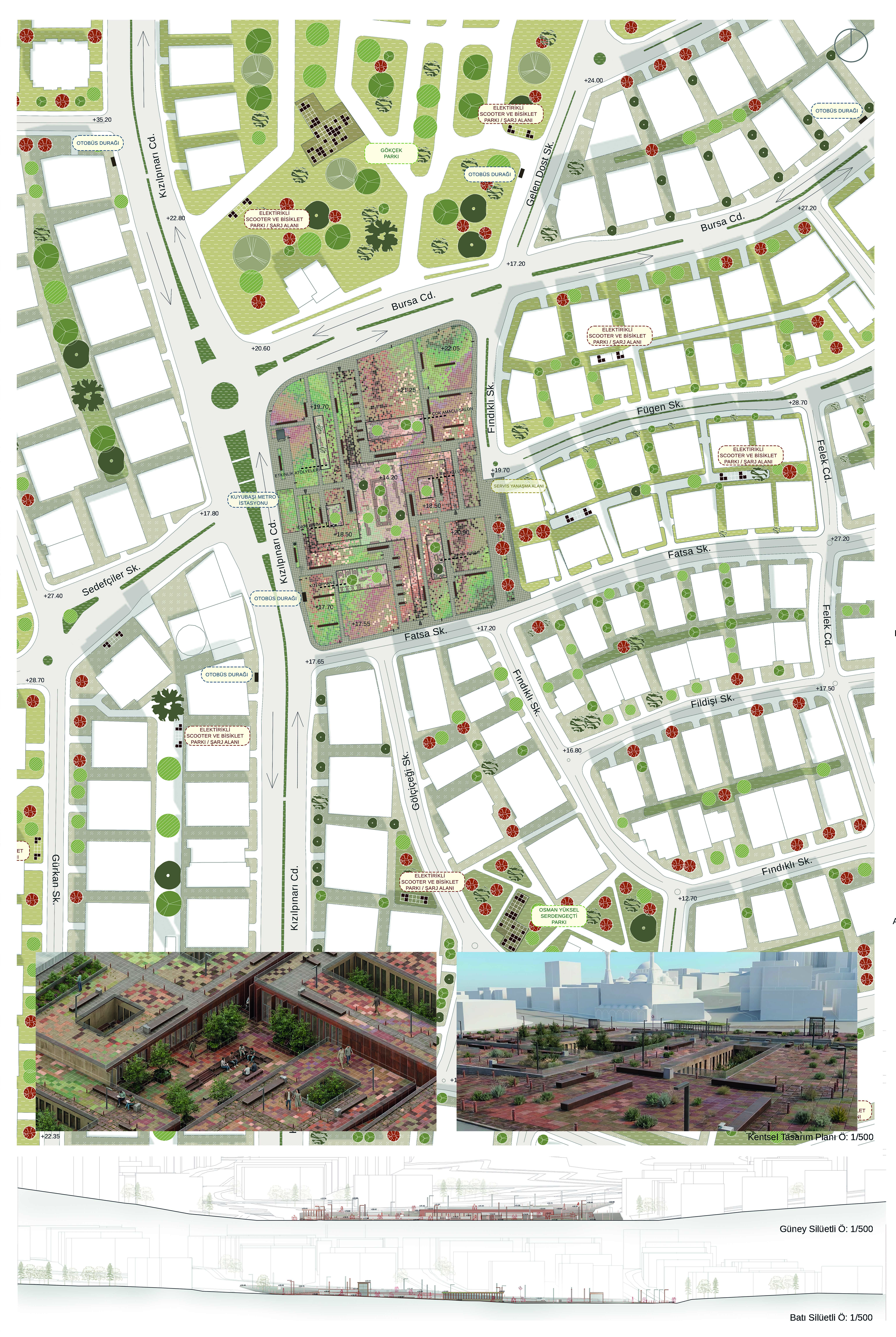
Vehicular infrastructures that once severed the historical continuum are reconfigured into subsurface or peripheral alignments, enabling an uninterrupted pedestrian–landscape interface. Materiality is conceived through a restrained palette—local stone, timber, and permeable surfaces—capable of aging into the historical context without mimetic nostalgia.
Ultimately, the project positions the Setbaşı–Yeşil–Emirsultan Axis as a regenerative cultural ecology: a dynamic interface where heritage is not merely preserved but actively reactivated through environmental restoration, socio-spatial porosity, and topographic resonance. The proposal imagines the axis as a future-oriented civic landscape that deepens its historical identity precisely by enabling new forms of urban inhabitation, ritual continuity, and ecological intelligence.
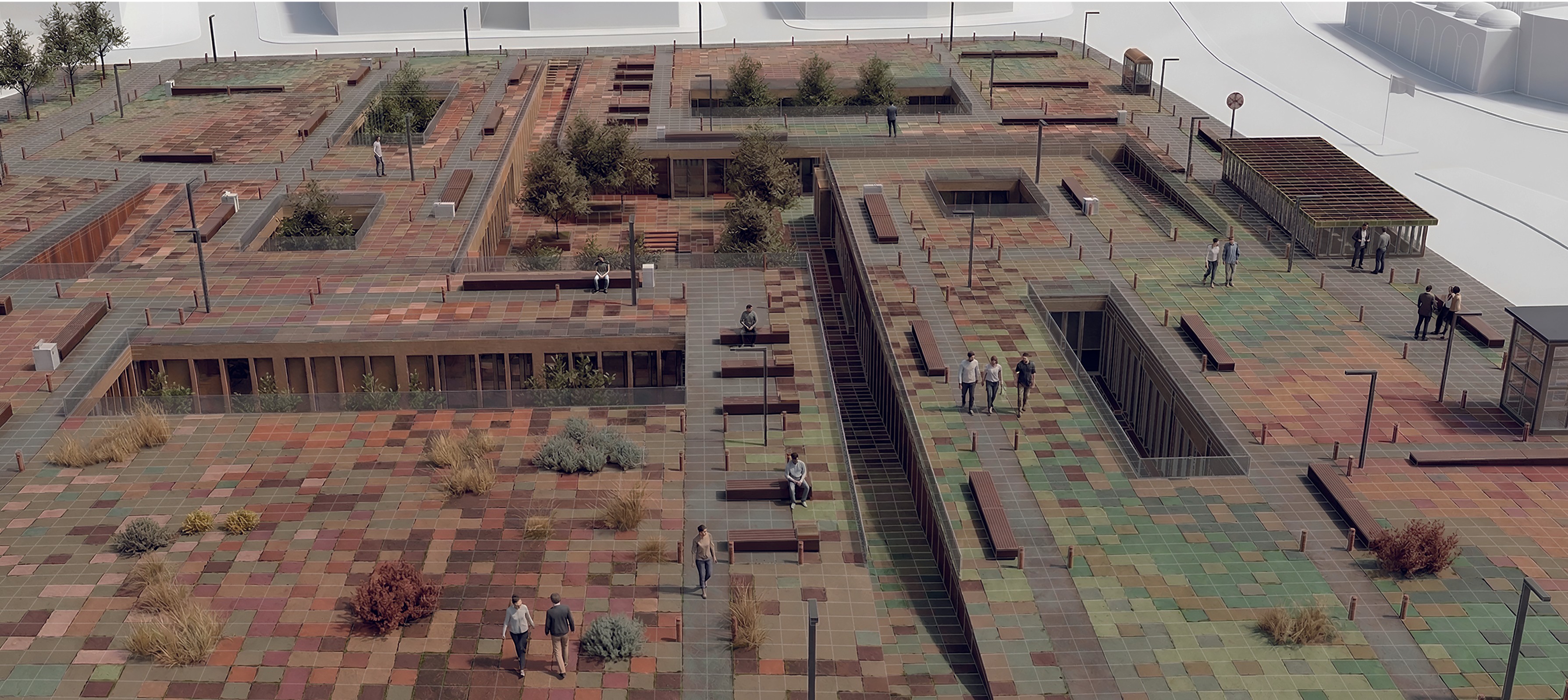
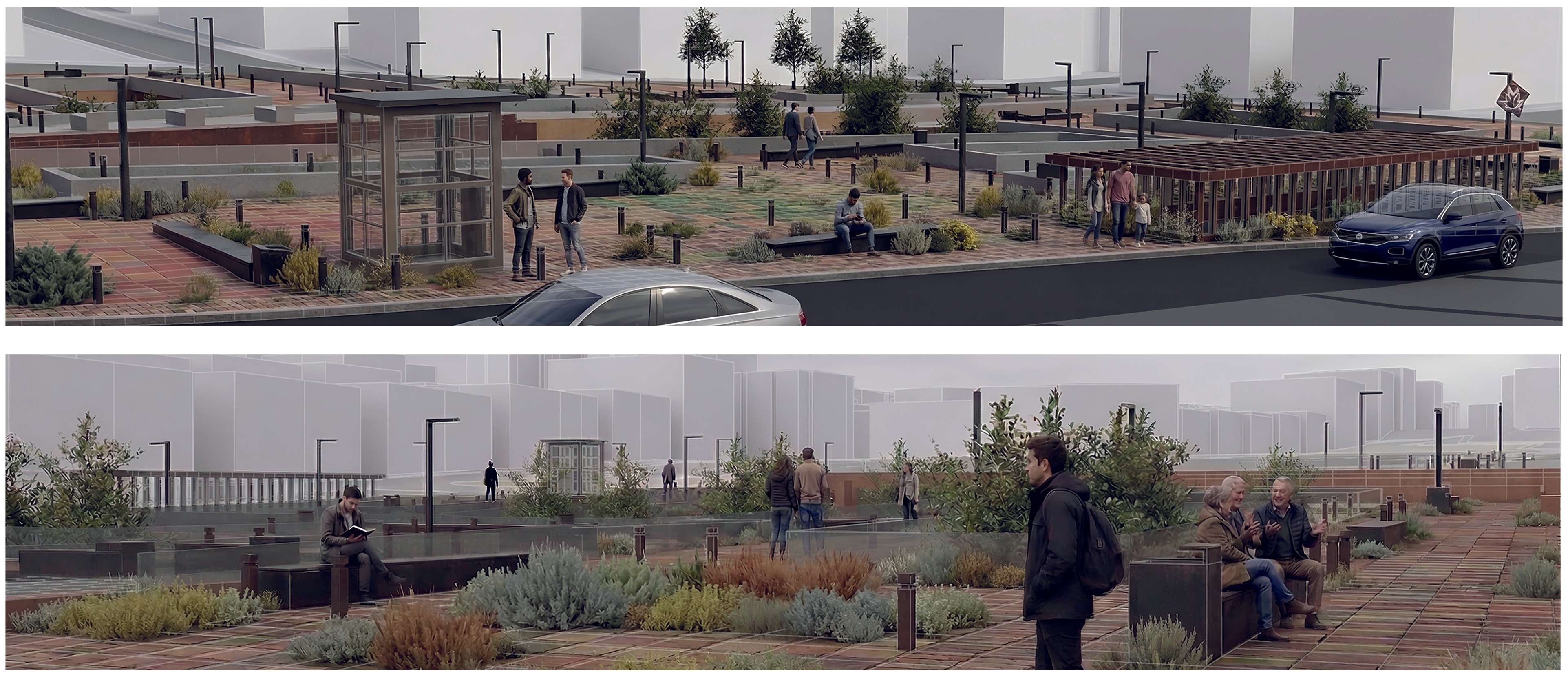


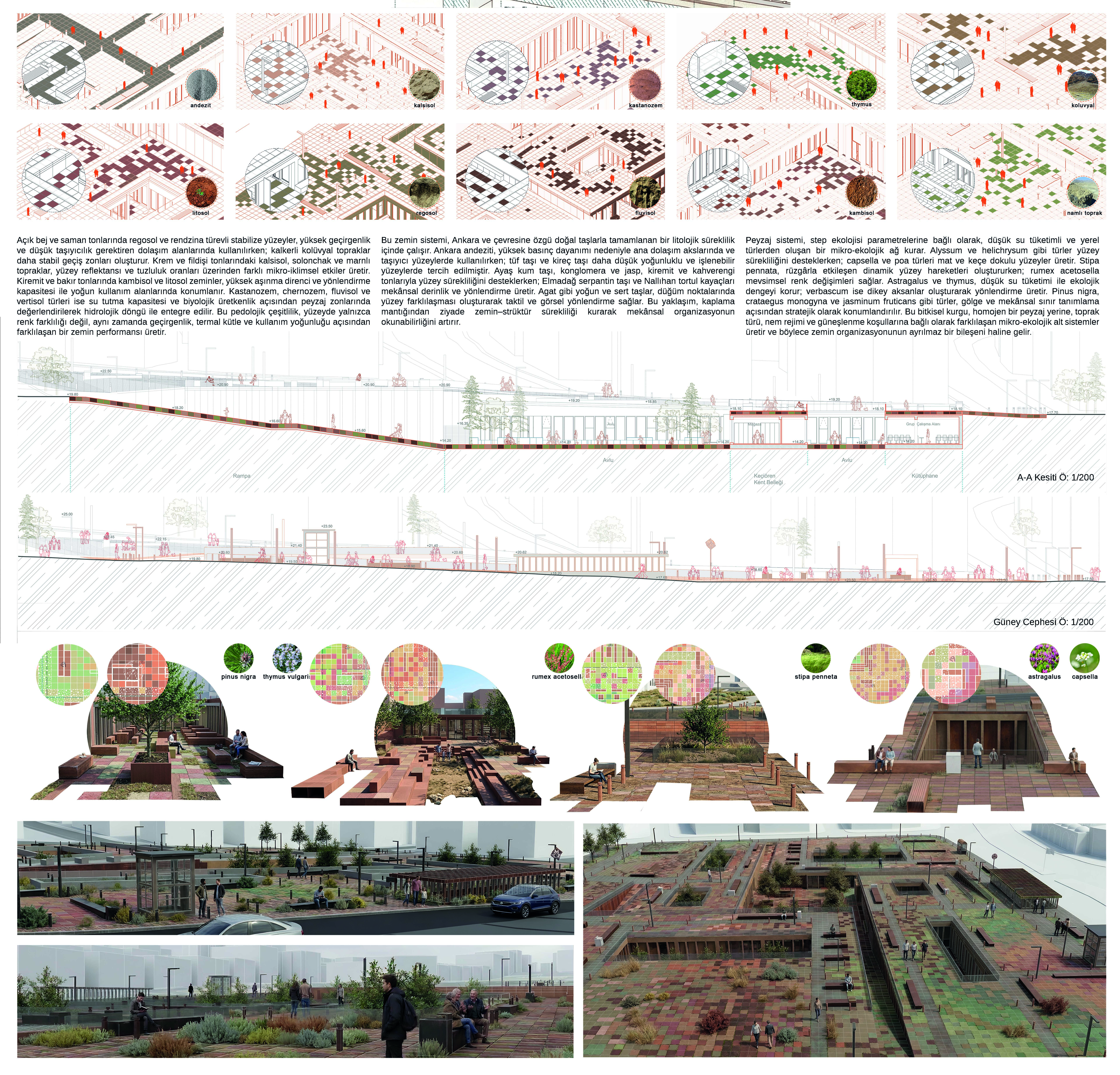
The Keçiören Fatih Stadium site, located in the northern part of Ankara, operates as a critical node where urban mobility intensifies and shifts direction along a strong transportation spine. Its direct relationship with the Kuyubaşı Metro station transforms the area into a transitional interface rather than a fixed destination. In this proposal, the site is not approached as a static planimetric problem, but as a sedimentary field condition. This perspective foregrounds the coexistence and interaction of multiple layers, including pedological (ground), geological (structural), hydrological (water flows), and socio-cultural strata. The sedimentary approach constructs a permeable urban fabric through the superposition of layers with varying densities and performance capacities. The project is therefore developed through a sectional continuity rather than a purely planar organization. The ground is redefined not as a flat surface, but as a relational field shaped by horizontal, vertical, and temporal interactions. Topographical variations, hydrological flows, and programmatic intensities collectively inform the spatial morphology of the site.
Within this framework, the concept of thresholdlessness is reinterpreted through permeability and continuity. Instead of rigid separations between open, semi-open, and enclosed spaces, the project proposes gradual transitions that enable uninterrupted spatial experience. These transitional conditions allow multiple layers of use to coexist, supporting diverse intensities and forms of occupation. Public space is therefore not conceived as a series of isolated voids, but as a continuous and evolving system of interconnected flows.
The project deliberately avoids the creation of a singular, fixed focal point. Instead, it introduces a fluid and multi-centered spatial organization that supports dynamic patterns of movement and interaction. This system enhances the continuity of urban flows while generating opportunities for encounter at different scales. The site is thus reimagined not as a static public ground, but as an active surface shaped by intersecting trajectories.
Vehicular infrastructures that once severed the historical continuum are reconfigured into subsurface or peripheral alignments, enabling an uninterrupted pedestrian–landscape interface. Materiality is conceived through a restrained palette—local stone, timber, and permeable surfaces—capable of aging into the historical context without mimetic nostalgia.
Ultimately, the project positions the Setbaşı–Yeşil–Emirsultan Axis as a regenerative cultural ecology: a dynamic interface where heritage is not merely preserved but actively reactivated through environmental restoration, socio-spatial porosity, and topographic resonance. The proposal imagines the axis as a future-oriented civic landscape that deepens its historical identity precisely by enabling new forms of urban inhabitation, ritual continuity, and ecological intelligence.
Project team:
G. Cubuk, S. Kose, H. Gundem, B.K. Aytin, C. Celik, H. Tatli, K. Pirildak
Building physics:
S&A BPC
Honors:
Kecioren Fatih Stadium Area Urban Design Competition, Acquisition Award
(Other works)